MBBS in China 2026–27: Admission, Fees & University Guide
Studying medicine in China can be a practical option for the right student, but the decision should start with the exact university, teaching language, complete yearly cost and future licensing route — not with a headline fee or a generic “approved” label.
Before paying an application or tuition fee: confirm the university’s 2026–27 admission notice, teaching medium, fee invoice, hostel, entrance-test requirements and the medical-registration rules that apply in your country.
Review My CaseQuick Answers Before You Apply
Popular MBBS University Profiles
Four detailed university profiles already available on this website. Open a card to review fees, admission notes, campus information and the current shortlist position.
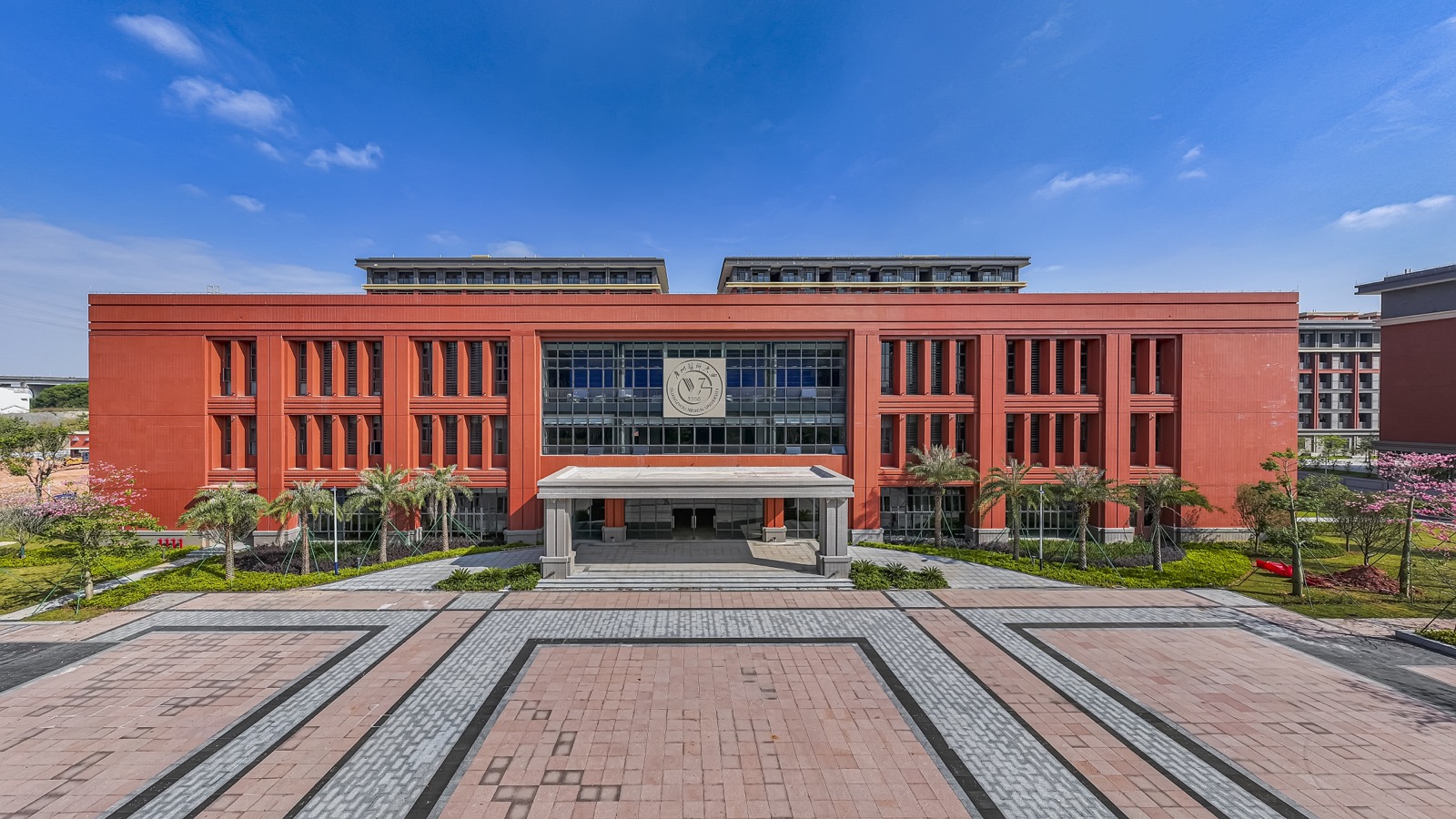
Guangzhou Medical University
A six-year English-medium MBBS profile with current admission, CSCA, tuition and hostel guidance.
View University Profile →
Kunming Medical University
A long-established medical university with an international MBBS profile and scholarship information.
View University Profile →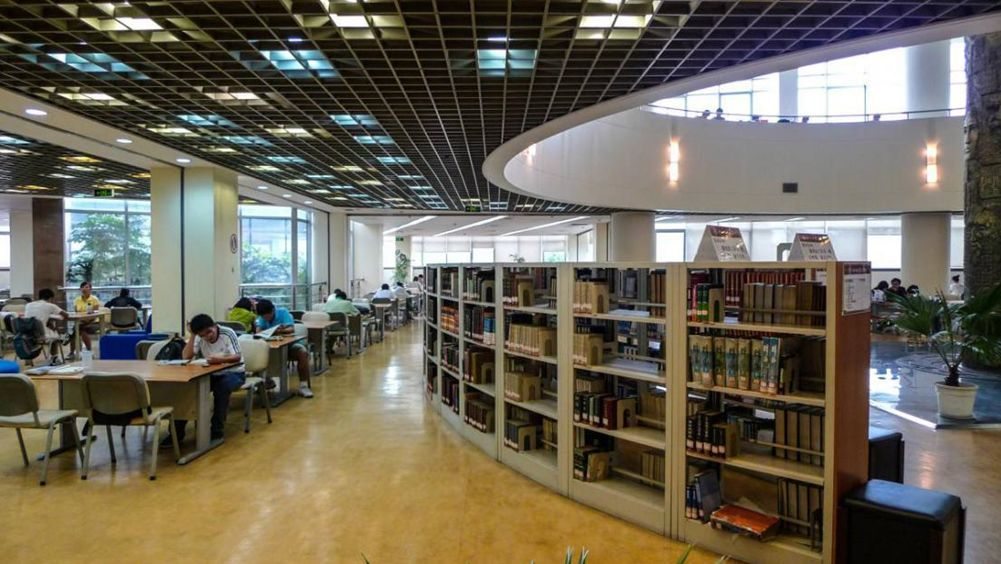
Sichuan University
A premium English-medium MBBS option linked with West China School of Medicine and a major hospital network.
View University Profile →
Beihua University
An English-medium MBBS profile with comparatively lower tuition and a dedicated international-student route.
View University Profile →Why Students Consider MBBS in China
China attracts international medical students for a practical mix of established universities, teaching hospitals, campus accommodation and a wide range of fee levels. For families comparing private medical education at home with studying abroad, that combination can be attractive.
The important part is not simply choosing “China.” Two universities in the same country can differ significantly in teaching language, hospital exposure, fee structure, city costs, admission tests, scholarship rules and the degree path that a foreign regulator will later assess.
Choose the Program Before You Choose the Poster
A university decision should connect teaching language, regulator requirements, fee structure, city, hostel and clinical training. Use the detailed profiles on this site to compare those points one by one.
Advantages and Practical Considerations
A professional comparison should show both sides. These points are framed for Pakistani and international students who are comparing study routes, budgets and licensing requirements.
| Possible Advantages | Practical Considerations |
|---|---|
| Large choice of medical universities and cities | Teaching quality, fees, hostel and international-student support vary by university |
| Selected universities offer English-taught undergraduate Clinical Medicine | Chinese remains important for daily life, patients and hospital communication |
| Some routes cost less than private medical education in other countries | The real budget includes hostel, insurance, food, travel and residence-permit costs |
| Teaching hospitals and clinical-training environments are widely available | Internship documentation must fit the regulator where the graduate plans to practise |
| Scholarships may reduce costs for eligible students | Scholarships are competitive and should not be assumed until awarded in writing |
| International-student hostels and campus services are common | Climate, food, culture and distance from home require adjustment |
English-Medium MBBS vs Chinese-Medium Clinical Medicine
This is one of the most important distinctions on the entire page. China’s Ministry of Education manages English-taught undergraduate Clinical Medicine for international students through a controlled university list. In its 2023–24 notice, the Ministry listed 44 institutions and said universities outside the list could not recruit international students into English-taught undergraduate Clinical Medicine or use “bilingual teaching” as a substitute for an authorized English-MBBS route.
MBBS / Clinical Medicine in English
Suitable for students who want the main medical curriculum delivered in English at an authorized university. Chinese language still matters for communication and clinical work.
- Check the current English-MBBS admission notice.
- Confirm the final degree wording and total program duration.
- Verify English requirements and any admission assessment.
Clinical Medicine in Chinese
Some universities admit international students to Chinese-taught Clinical Medicine. This can have a different duration, tuition level and language-preparation requirement.
- Confirm HSK / Chinese-language requirements.
- Check whether a foundation or language year is separate from the degree.
- Confirm licensing implications in your home country.
Do not accept the words “English,” “bilingual” or “MBBS” from an advertisement alone. Match the university, program and intake with its current official admission information.
How the Medical Program Is Commonly Structured
China’s Ministry of Education quality standard for English-taught undergraduate medical education sets a six-year framework. Individual university course plans vary, but students can expect a progression from basic sciences to clinical subjects and supervised internship.
Chinese language, anatomy, physiology, biochemistry and other scientific foundations are normally built early in the program.
Pathology, pharmacology, microbiology, immunology and diagnostic foundations connect basic science with disease.
Medicine, surgery, pediatrics, obstetrics and gynecology, emergency medicine and other clinical disciplines become central.
English-MBBS quality standards provide for a one-year internship of at least 48 weeks. Confirm the actual university plan and the documentation needed by your future licensing authority.
English-Medium and Chinese-Medium Are Not Interchangeable Labels
Before payment, match the university, degree title, teaching language and intake with the current admission notice. Chinese language remains important for hospital communication even where the academic route is taught in English.
Pakistani Students: PM&DC Planning Comes First
For Pakistani families, choosing a Chinese university is only one half of the decision. The other half is making sure the student follows Pakistan Medical & Dental Council requirements for foreign medical or dental education and understands the registration pathway after graduation.
PM&DC policies and portals can be updated. Check the latest public notice and student-registration instructions at the time you apply. A university directory entry should not be treated as a permanent guarantee of future licensing eligibility.
Check PM&DC Requirements Before Paying a University
Your university offer and your future Pakistani licensing route are related but separate decisions. Keep PM&DC requirements, MDCAT status and foreign-study registration in view from the start.

Lower-Cost & Value University Profiles
These profiles are useful when a student needs a lower annual budget or when a particular English-MBBS intake is no longer accepting applications. Teaching language, degree wording and regulator requirements must still be checked for the exact intake.
Hubei Polytechnic University
15,000 RMB tuitionCurrent site profile lists 3,000 RMB hostel and a 19,700 RMB yearly total from the second year onward.
View internal profile →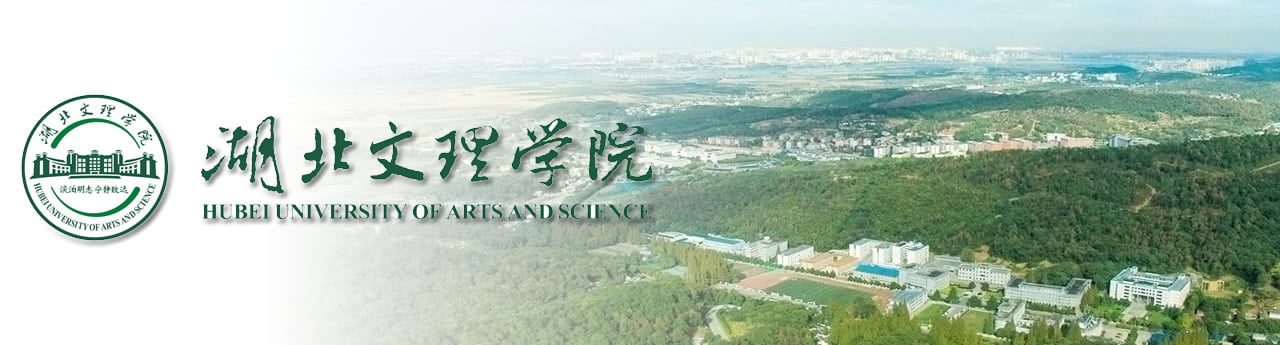
Hubei University of Arts and Science
18,000 RMB tuitionCurrent site profile lists 2,000 RMB hostel and a 21,700 RMB yearly total from the second year onward.
View internal profile →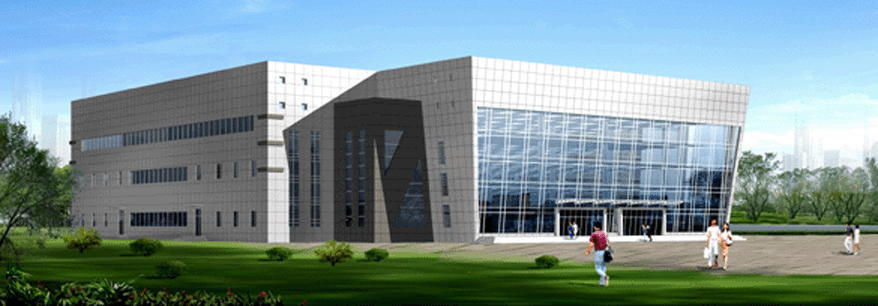
Hebei North University
18,000 RMB tuitionThe current site profile lists a 23,700 RMB annual total from the second year; reconfirm the 2026–27 quotation.
View internal profile →
Hebei University of Engineering
25,000 RMB tuition guideA value-oriented profile with hostel and annual fee details on the internal university page; confirm the current intake.
View internal profile →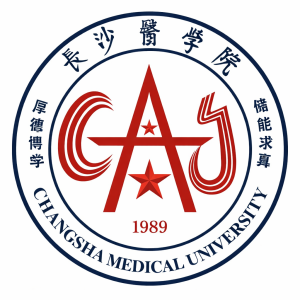
Changsha Medical University
Detailed fee profileUse the updated Changsha profile for Clinical Medicine, hostel and current admission guidance before payment.
View internal profile →What MBBS in China Really Costs
Students often compare universities by tuition alone, but that number is not the full yearly budget. A realistic plan includes accommodation, insurance, medical examination, residence-permit charges, books, food, local transport, air travel and personal expenses.
| Cost Area | What Changes It | What to Ask Before Payment |
|---|---|---|
| Tuition | University, program language, city and intake | Ask for the current university fee schedule or written invoice. |
| Hostel | Single vs shared room, campus and facilities | Confirm room type, annual price, deposit and utilities. |
| Food & Living | City, personal habits and cooking options | Ask current students what a normal monthly budget looks like. |
| Insurance & Medical | University and local requirements | Check whether these are included or paid separately. |
| Visa / Residence Permit | Current immigration procedure | Confirm what is paid before arrival and what is paid after registration. |
| Travel & Personal Costs | Flights, city and lifestyle | Keep a separate emergency budget instead of using the tuition fund. |
MBBS in China Fee Comparison
Use this table for shortlisting only. Figures come from current or recently maintained internal university profiles, and the final payment should always follow a dated written university fee schedule or admission quotation.
| University | Fee Reference | What the Internal Profile Shows | Profile |
|---|---|---|---|
| Hubei Polytechnic University | 15,000 RMB tuition | 3,000 RMB hostel; 19,700 RMB yearly total from 2nd year onward on the 2026 profile | View → |
| Hubei University of Arts and Science | 18,000 RMB tuition | 2,000 RMB hostel; 21,700 RMB yearly total from 2nd year onward on the 2026 profile | View → |
| Hebei North University | 18,000 RMB tuition | 23,700 RMB yearly total from 2nd year onward on the current site profile; reconfirm 2026–27 | View → |
| Beihua University | 21,000 RMB tuition | Lower-fee English-MBBS profile on this site | View → |
| Hebei University of Engineering | 25,000 RMB tuition guide | 31,200 RMB total annual reference on the internal profile; reconfirm the current intake | View → |
| Jiangsu University | 30,000 RMB tuition | Detailed English-MBBS profile with campus and accommodation information | View → |
| Guangzhou Medical University | 40,000 RMB tuition | Six-year English-medium MBBS profile | View → |
| Sichuan University | 45,000 RMB tuition | West China School of Medicine profile | View → |
Scholarships & Financial Planning
Scholarships are available at some universities and through provincial or other programs, but the award amount, eligibility and timing differ. A scholarship should be treated as confirmed only after the student receives a written award.
MBBS in China Eligibility
China does not have one universal admission rule for every medical university. The university sets its own academic, age, language and entrance-assessment requirements, while the student’s home-country regulator can add separate conditions.
- Higher-secondary / Grade 12 qualification with the required science subjects
- Physics, Chemistry and Biology or the subject combination required by the university
- Valid passport with sufficient remaining validity
- Required English or Chinese language evidence for the chosen teaching route
- Any university entrance test, interview or academic assessment required for the intake
- Medical fitness and insurance requirements
- Police-clearance / good-conduct documents where requested
- Home-country regulator requirements before foreign medical study
What About CSCA?
Some 2026 university admission notices now ask international undergraduate applicants for CSCA results or specific CSCA subjects. This should be checked university by university. Do not assume that one subject combination or one passing score applies to every medical program.
Typical MBBS Subjects in China
The exact semester sequence varies by university. This subject map shows the normal progression from basic and pre-clinical sciences to clinical subjects; the selected university’s own curriculum remains authoritative.
Basic & Pre-Clinical Subjects
- Anatomy
- Physiology
- Biochemistry
- Histology & Embryology
- Microbiology & Immunology
- Pathology
- Pharmacology
- Community / Preventive Medicine
Clinical Subjects
- Internal Medicine
- Surgery
- Pediatrics
- Obstetrics & Gynecology
- Ophthalmology
- ENT / Otolaryngology
- Radiology & Diagnostics
- Emergency Medicine / Clinical Rotations
Documents Students Commonly Need
The exact checklist changes by university, but most applications begin with the same core documents. Prepare clean scans and keep names, dates and passport details consistent across every form.
- Passport copy
- Matric / Grade 10 certificate and transcript
- F.Sc / Grade 12 / A-Level certificate and transcript
- Recent passport-style photograph
- Foreigner physical examination form or required medical report
- Police clearance / no-criminal-record certificate when required
- Language certificate or medium-of-instruction evidence where accepted
- Financial evidence or sponsor documents where requested
- CSCA / entrance-test result if required by the university
- PM&DC registration documents for Pakistani applicants where applicable
Document Review Comes Before the Final Payment Decision
Use the admission process to catch problems early: missing documents, language mismatch, entrance-test requirements, unclear refund terms or a fee quotation that does not match the university.
Open Application Form →How the Admission Process Usually Works
Pakistani students should confirm PM&DC requirements before selecting a university or paying a fee.
Compare teaching language, tuition, hostel, city, hospital training, duration and current admission requirements.
Use clear scans and correct translations where the university requires Chinese or English documents.
Complete the official application process and any required interview or admission assessment.
Check the program name, language, tuition, hostel, refund terms and payment instructions in writing.
After the required admission and visa documents are issued, apply for the appropriate Chinese student visa and follow the university’s registration instructions.
Explore More Medical Universities in China
Four more verified internal profiles for comparing city, teaching route, tuition guide and university type. Every card opens the corresponding page on this website.
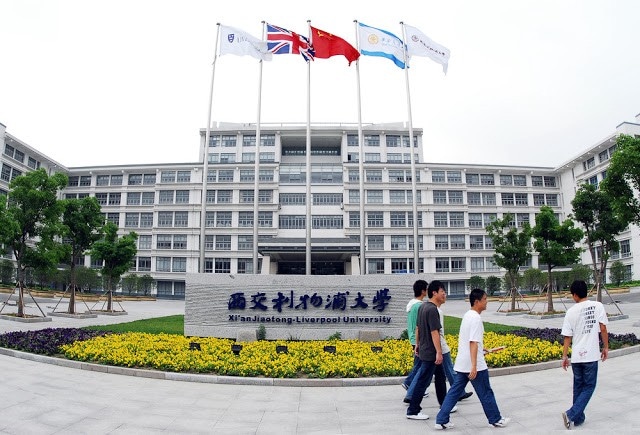
Xi’an Jiaotong University
A six-year English-medium MBBS profile at a major research university with tuition and hostel information.
View University Profile →Jiangsu University
A detailed 2026 MBBS profile with campus, hostel, library and classroom information already available on this site.
View University Profile →
Hainan Medical University
A lower-cost medical-study profile with admission, document and scholarship information for international students.
View University Profile →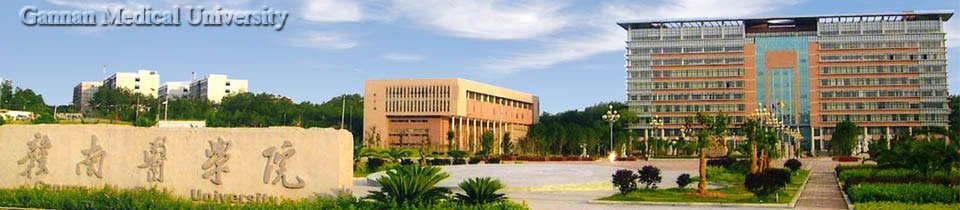
Gannan Medical University
A current Clinical Medicine profile covering fees, language, eligibility and PM&DC planning for Pakistani students.
View University Profile →After MBBS in China: Licensing & Career Planning
A medical degree and a licence to practise are not the same thing. After graduation, the relevant regulator may require examinations, internship evidence, document verification, language testing or supervised practice.
Think Beyond Admission Day
Medical study is a multi-year decision. Keep internship documentation, licensing examinations, postgraduate plans and the country where you expect to practise in view while you shortlist universities.
Hostel, Food, Language & Daily Life
Accommodation, daily life and Mandarin are practical parts of the decision and should be evaluated university by university rather than treated as identical across China.
Campus Facilities Differ by University
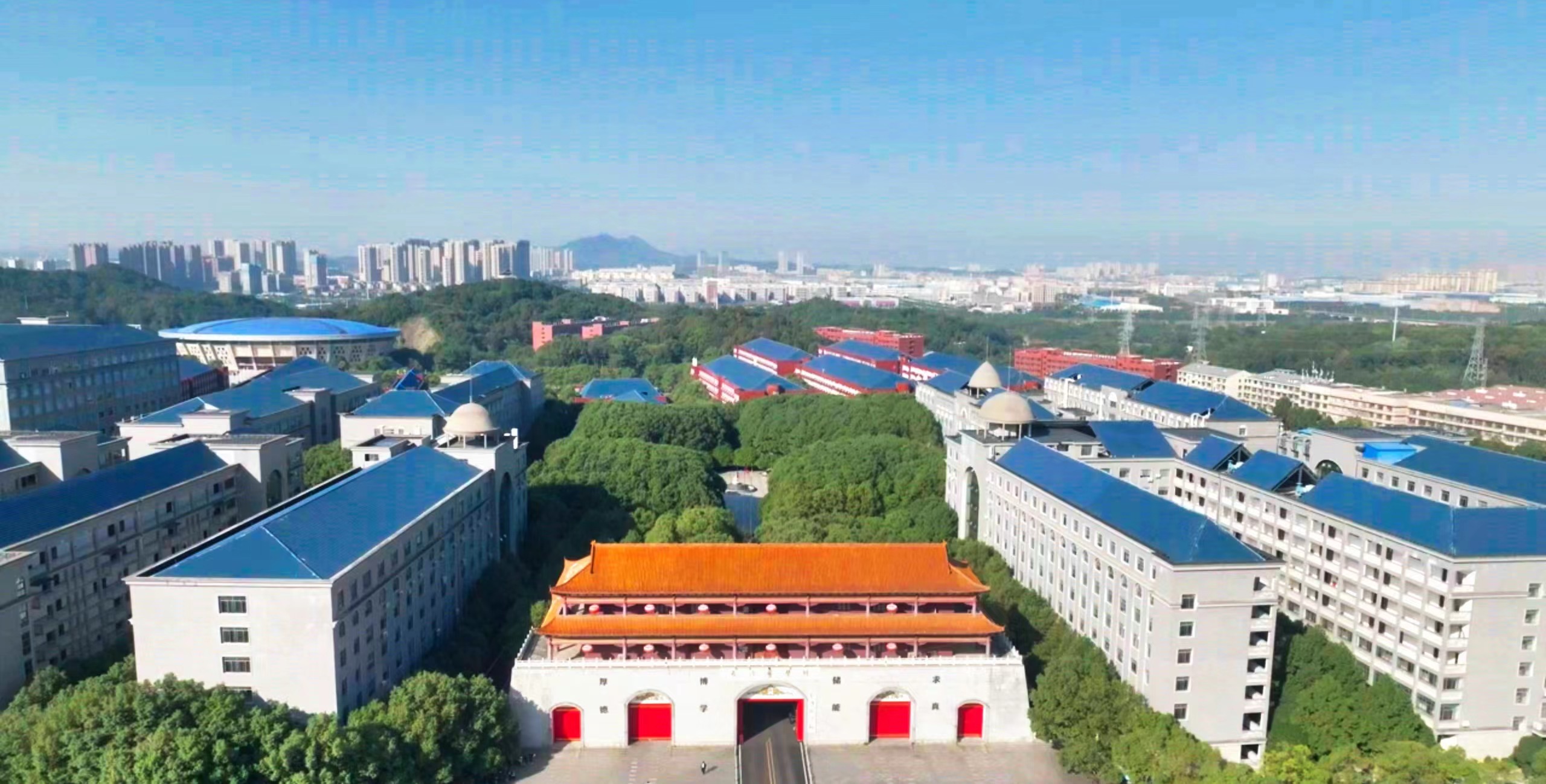
This Changsha Medical University campus view is included as one real example of a Chinese medical university environment. Hostel rooms, classrooms, libraries and clinical placements should be checked on the individual university profile.
View Changsha Profile →Regulatory, Directory & Reference Bodies
These organizations serve different purposes. A regulator, an accreditation system, a medical-school directory and a global-health body should not all be described as the same kind of “approval.”
Use PM&DC for current foreign-study notices, registration rules and the licensing pathway relevant to Pakistani graduates.
Open official site →Official source for the published enrolment plan and controls for English-taught undergraduate Clinical Medicine.
Open official notice →Use WDOMS to check a school listing and sponsor notes. A listing by itself is not accreditation or endorsement.
Search WDOMS →Students considering the U.S. route should review the school’s Sponsor Note and eligibility conditions.
Read ECFMG guidance →WFME recognition concerns accreditation agencies and systems; it is not a simple “WFME-approved university” label.
Read WFME information →WHO is a global health organization and is not presented here as a medical-school accreditation authority.
Open WHO →MBBS in China FAQs
Is MBBS in China a good option for Pakistani students?
Can I study MBBS in China fully in English?
Do I have to learn Chinese if my MBBS is in English?
How much does MBBS in China cost?
What marks do Pakistani students need?
Is September the only intake?
Can I get a scholarship?
Does admission guarantee that I can practise in Pakistan later?
Official References & Further Reading
Policies change. These links are included so students and parents can check the underlying regulatory position.
Shortlist the University Before You Submit the Application
A good admission decision should answer five questions clearly: Is the program open? What language is it actually taught in? What will the full year cost? What documents and tests are required? And will the degree fit the licensing route you plan to follow after graduation?