MBBS in China: World-Class Medical Education for International Students
MBBS in China is a popular medical education pathway for international students who want WDOMS-listed Chinese universities, English-medium programs, affordable tuition, and structured preparation for future licensing exams. Students can prepare for exams such as USMLE, PLAB, AMC, FMGE, NRE, and China’s CSCA exam. Before applying, every student should confirm the latest recognition status of the selected university with PM&DC, NMC, SCHS, GMC, ECFMG, BMDC, SCFHS, MCC, or the relevant medical authority in their own country.
PM&DC Update — MDCAT Exemption for Foreign Admission
The Pakistan Medical & Dental Council (PM&DC) has exempted Pakistani students from the mandatory requirement of having passed MDCAT as a prerequisite for admission to foreign medical and dental institutions. The Council made this decision on 14 September 2026 and issued the public notice on 5 October 2026.
The notice addresses the MDCAT prerequisite only. Students should separately verify current academic eligibility, the applicable PM&DC Student Registration Certificate process, the exact institution and qualification, and current NRE and licensing requirements. Read the official PM&DC notice or read the complete MDCAT exemption guide.
Global Support:
💬 WhatsApp: +92-300-4700092
MBBS in China 2026 – 2027 – Quick Links
See the campus before you build a shortlist
Open a profile for labelled campus, hostel, library, classroom and student-life photographs. Album size varies because we add a picture only when its university and setting can be matched with reasonable confidence.
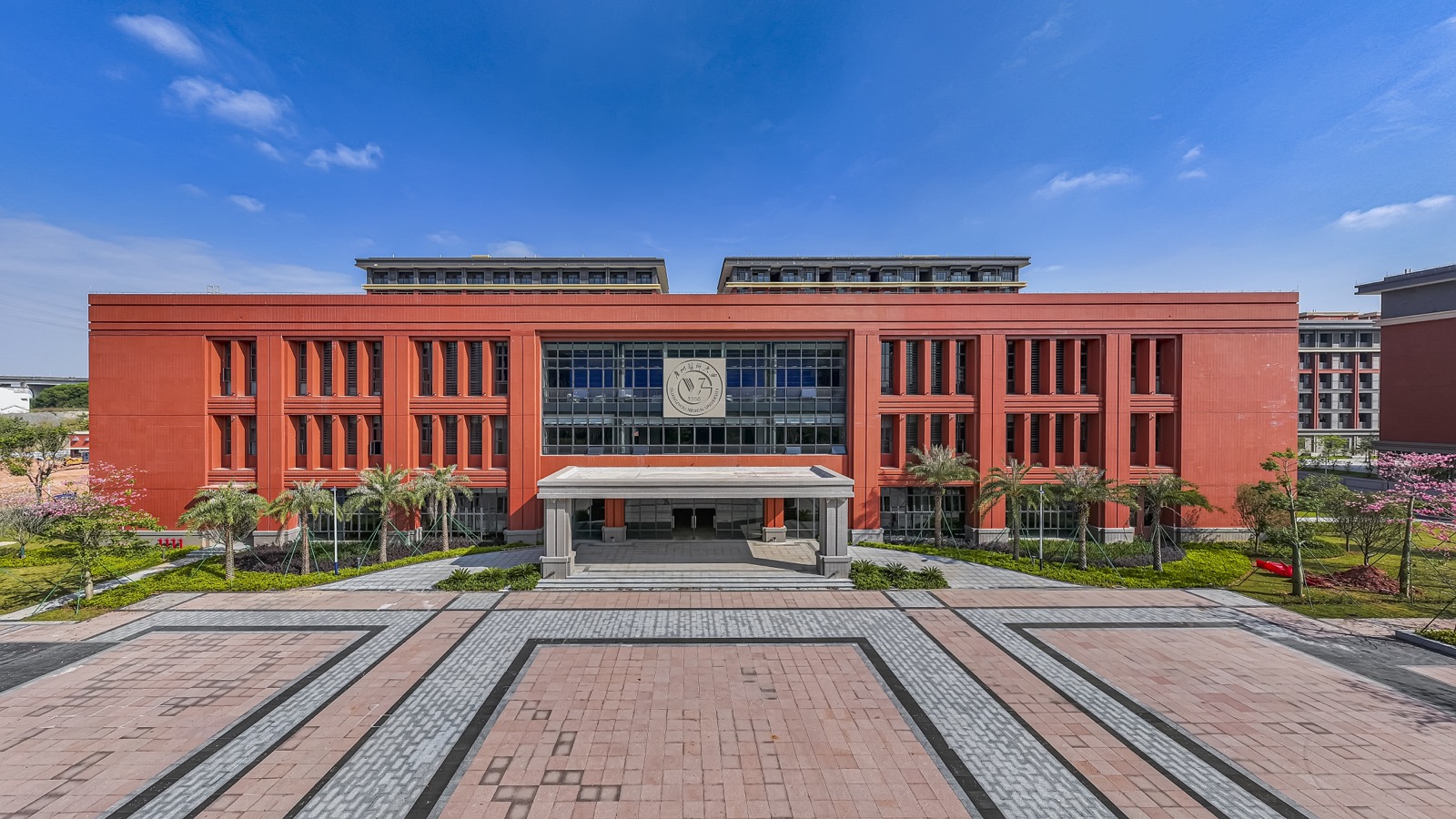 Guangzhou Medical UniversityCampus & front · View profile
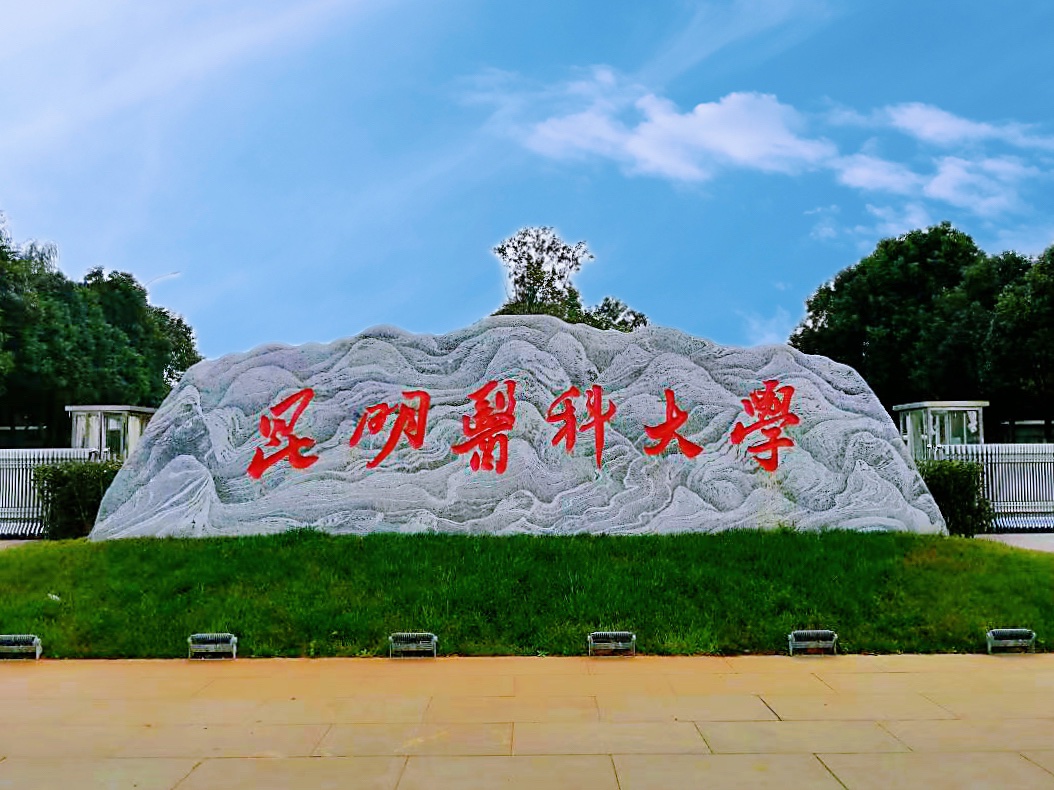 Kunming Medical UniversityCampus & front · View profile
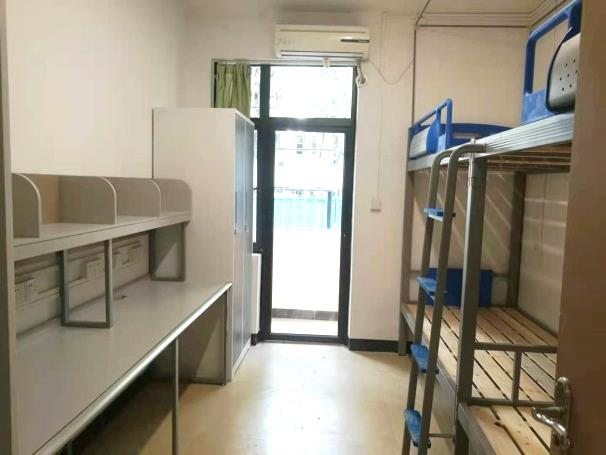 Sichuan UniversityHostel & rooms · View profile
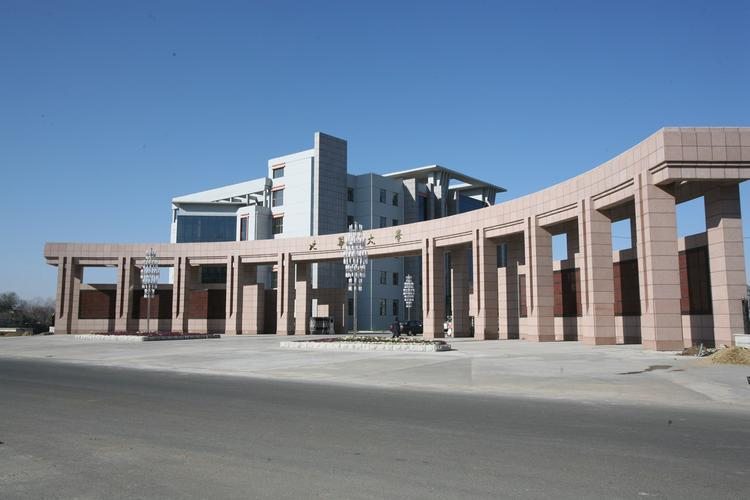 Beihua UniversityCampus & front · View profile
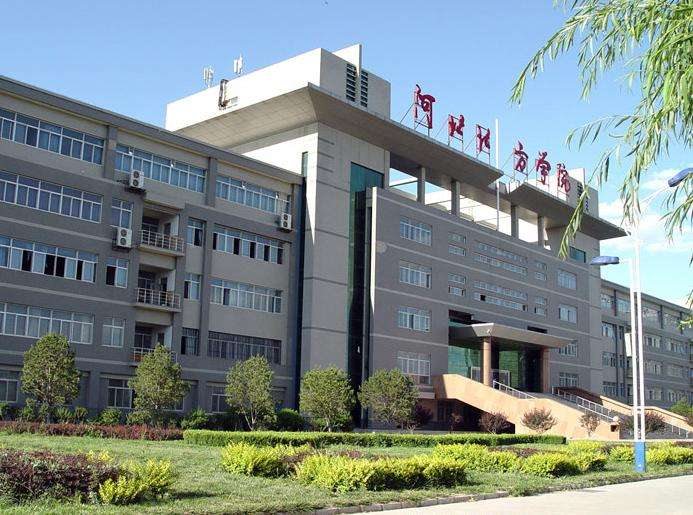 Hebei North UniversityCampus & front · View profile
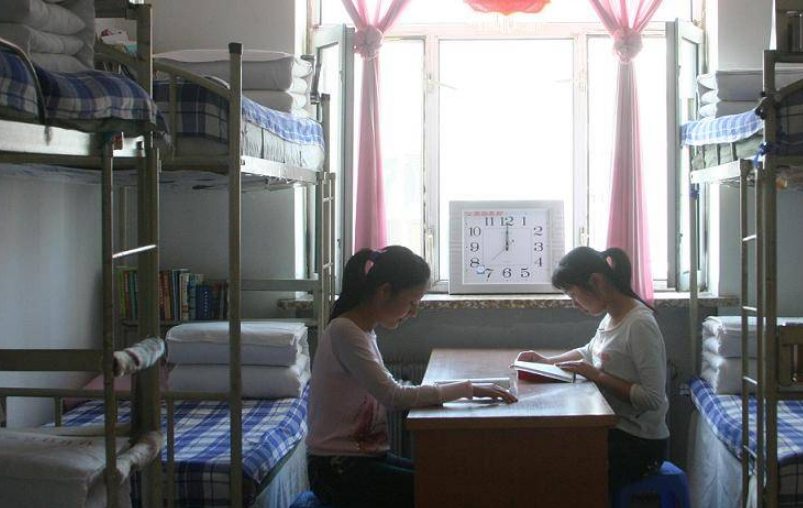 Jiamusi UniversityHostel & rooms · View profile
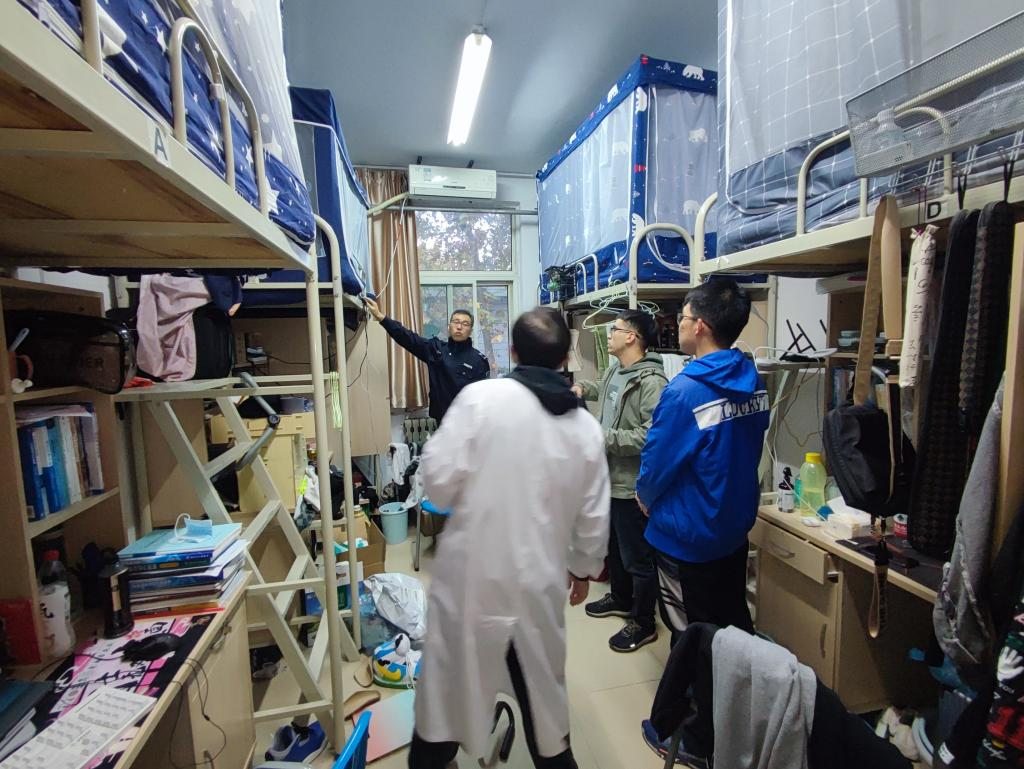 Xi’an Jiaotong UniversityHostel & rooms · View profile
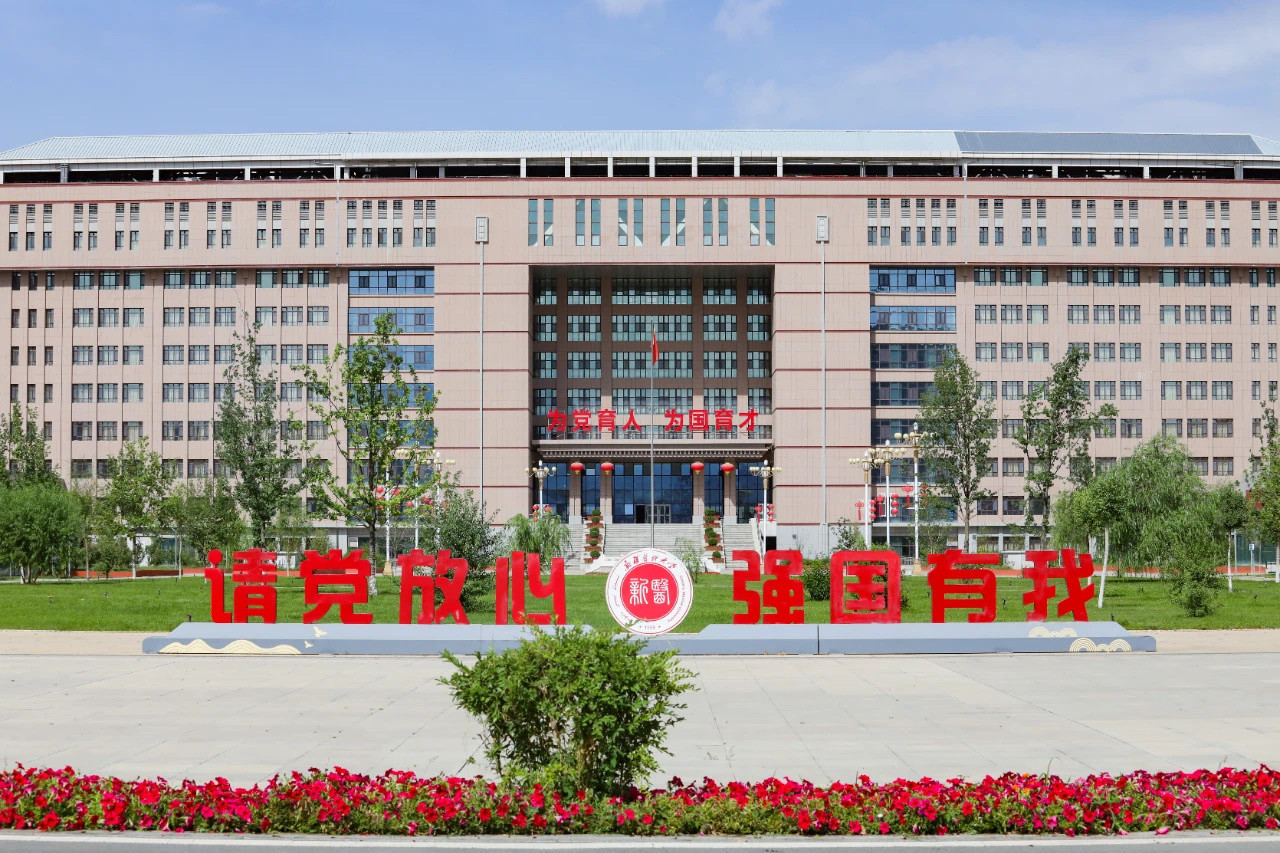 Xinjiang Medical UniversityCampus & front · View profile
Why Choose MBBS in China for International Students?

Studying MBBS in China is an option many international students consider because of its affordable tuition, English-medium medical programs, university hospital training, and clear admission process. Students should choose a university carefully by checking its current listing, fee structure, teaching medium, hospital affiliation, hostel facilities, admission test policy, CSCA subject requirement, and recognition status with the medical council of their own country.
China has several medical universities that admit international students into English-medium medical programs. However, recognition and licensing eligibility can vary by country, university, intake year, teaching language, internship rules, degree title, and medical council regulations. Before final admission, students should verify whether the degree meets the requirements for exams such as PM&DC NRE, FMGE/NExT, USMLE, PLAB/UKMLA, AMC, SCFHS, BMDC, MCC, or other relevant licensing pathways.
Key advantages for international students:
- Affordable tuition: Many Chinese medical universities offer lower annual tuition compared with private medical colleges in several countries.
- English-medium study options: Selected universities offer MBBS / Clinical Medicine programs taught mainly in English for international students, while Chinese language is also taught for daily life and clinical communication.
- Clinical exposure: Students usually complete clinical training and internship through university-affiliated hospitals, depending on the university program structure.
- Licensing exam pathways: Graduates may prepare for licensing exams such as USMLE, PLAB/UKMLA, AMC, FMGE/NExT, NRE, SCFHS, BMDC, and other national medical exams, subject to the rules of each country.
- International student environment: Many universities host students from Pakistan, India, Bangladesh, the Middle East, Africa, Europe, Central Asia, and Southeast Asia.
- Modern campus facilities: Well-established universities may provide laboratories, libraries, simulation rooms, student hostels, and teaching hospitals.
- Lower living costs: In many Chinese cities, student living expenses can be manageable compared with Western study destinations.
- Scholarship possibilities: Some universities offer partial scholarships or fee reductions, but availability depends on merit, intake, and university policy.
Important note: Students should not select a university only because of low fees or promotional claims. The safer approach is to compare recognition status, teaching language, CSCA requirements, hospital quality, city, total yearly cost, admission letter terms, visa process, and graduate licensing requirements before making a final decision.
MBBS in China Visual Guide: Resources
These images from the existing page have been restored in a cleaner layout to support user engagement, image SEO, and visual understanding without repeating old promotional text.


MBBS in China — Quick Answers for Students
These quick answers help students understand the main points before applying for MBBS in China. Always verify university recognition, fee structure, CSCA subject requirements, visa rules, and licensing requirements before making a final decision.
Is MBBS in China good for international students?
MBBS in China can be a good option for international students who want affordable tuition, English-medium study options, university hospital training, and a structured admission process. The final choice should depend on university recognition, teaching quality, hospital exposure, CSCA requirement, total cost, and the student’s future licensing plan.
How much does MBBS in China cost?
Many English-medium MBBS programs in China cost around USD 3,000 to USD 6,000 per year for tuition. Lower-fee Clinical Medicine or Chinese-medium pathways may cost less, but students should check teaching language, degree title, hostel, insurance, visa, medical check-up, residence permit, food, travel, and personal living expenses.
Is MBBS in China taught in English?
Selected Chinese medical universities offer English-medium medical programs for international students. Students should confirm the actual teaching medium before admission because some programs may be bilingual, Chinese-medium, or foundation-based before progression to Clinical Medicine.
What is CSCA for China admission?
CSCA stands for China Scholastic Competency Assessment. From the 2026/2027 academic year, undergraduate applicants to China are expected to take CSCA before submitting applications. Universities decide which CSCA subjects are required for each major.
Is MBBS from China recognized?
Recognition depends on the selected university, intake year, degree title, internship, teaching language, and medical council rules of the student’s country. Students should verify the university through WDOMS and confirm eligibility with PM&DC, NMC, BMDC, GMC, ECFMG, SCFHS, MCC, UAE authorities, or their relevant medical authority.
Can Pakistani students study MBBS in China?
Yes. Pakistani students can apply for MBBS in China if they meet the selected university’s requirements. Under the PM&DC notice dated 5 October 2026, passing MDCAT is no longer a prerequisite for admission to foreign medical or dental institutions. Students should still verify current academic eligibility, obtain the applicable PM&DC Student Registration Certificate, confirm the exact institution and qualification, and understand the current NRE and licensing pathway for future practice in Pakistan.
Can Indian students study MBBS in China?
Yes, Indian students can consider MBBS in China, but they should check NMC rules, NEET qualification, foreign medical graduate regulations, duration, internship conditions, FMGE/NExT pathway, and current recognition before selecting a university.
Can Bangladeshi students study MBBS in China?
Yes, Bangladeshi students can apply to Chinese medical universities. They should verify university recognition, admission documents, total yearly cost, visa process, internship rules, and future licensing requirements with BMDC before admission.
Can Middle East students study MBBS in China?
Students from Saudi Arabia, UAE, Qatar, Oman, Bahrain, Kuwait, Iraq, Jordan, and other Middle East countries can apply if they meet university requirements. They should confirm recognition, document verification, internship, licensing exam, and professional classification rules with their national medical authority before final admission.
Can American students study medicine in China?
American students can study medicine in China, but they should carefully check ECFMG Sponsor Notes, USMLE eligibility, clinical rotation requirements, residency competitiveness, and state medical board expectations before choosing any international medical school.
What should students verify before applying?
Students should verify university recognition, teaching medium, tuition fee, hostel cost, hospital affiliation, CSCA subjects, internship rules, visa documents, refund policy, scholarship conditions, and licensing eligibility in their home country.
Should students choose the cheapest university?
Students should not choose a university only because it is cheap. A safer decision is based on verified recognition, transparent fees, suitable teaching language, hospital training, visa support, student support, and a realistic licensing plan after graduation.
Student advice: Do not choose a university only because it is cheap or promoted heavily online. A safer decision is based on verified recognition, transparent fees, English-medium teaching, CSCA readiness, hospital training, visa support, and a realistic licensing plan after graduation.
MBBS in China at a Glance
This quick summary helps students compare the main facts before reading the full guide. Final details can vary by university, intake year, city, admission test policy, and medical council rules.
| Program | MBBS / Clinical Medicine / Bachelor of Medicine route, depending on university and final degree wording |
| Duration | Usually 6 years, including academic study and clinical internship; confirm exact structure with the university |
| Teaching Medium | English-medium options are available in selected universities; lower-fee pathways may be Chinese-medium or foundation-based |
| Estimated Tuition | English-medium often around USD 3,000 to 6,000 per year; Clinical Medicine or Chinese-medium pathways may cost less |
| Living Cost | Around USD 200 to 400 per month, depending on city and lifestyle |
| Main Intake | Usually September intake, but deadlines vary by university |
| CSCA Requirement | From the 2026/2027 admission cycle, undergraduate applicants should expect CSCA requirements. Universities decide required subjects for each major. |
| Recognition | Students should verify WDOMS listing and confirm eligibility with their home-country medical council before paying fees |
| Licensing Exams | NRE, FMGE/NExT, USMLE, PLAB/UKMLA, AMC, SCFHS, BMDC, MCC, and other exams may apply depending on country rules |
How to Verify MBBS in China Recognition
Recognition is one of the most important points before choosing any medical university in China. Students should not depend only on promotional claims, screenshots, old lists, or social media posts. A safer approach is to verify the university through official sources and confirm whether the degree will be accepted for future licensing in the student’s own country.
- Check WDOMS listing: Confirm whether the selected university is listed in the World Directory of Medical Schools. Remember that listing alone is not the same as automatic recognition or accreditation.
- Check your medical council: Pakistani students should verify PM&DC foreign student rules; Indian students should verify NMC, NEET, FMGE or NExT rules; Gulf students should check their health authority.
- Check ECFMG Sponsor Note: Students planning for the USA should confirm whether the medical school has the correct ECFMG Sponsor Note for their graduation year.
- Check intake year: Recognition and rules can change, so students should verify the latest status for the exact year of admission.
- Check teaching medium: Confirm whether the program is fully English-medium, bilingual, Chinese-medium, or a foundation program before applying.
- Check final degree title: Ask what exact degree name will appear on the graduation certificate and transcript.
Important: A university being listed online does not automatically mean every graduate is eligible for licensing in every country. Students should confirm recognition, internship rules, CSCA requirements, degree title, and licensing eligibility before final admission.
Who Should Choose MBBS in China?
Good Choice For
- Students looking for affordable medical education abroad
- Students who want English-medium study options
- Students ready to learn basic Chinese for clinical communication
- Students who will seriously prepare for licensing exams after graduation
- Students who can prepare for CSCA and university entrance requirements
- Students who compare universities carefully before admission
Not Ideal For
- Students who do not verify recognition before applying
- Students who choose only the cheapest university
- Students who are not ready for language and cultural adjustment
- Students who expect automatic medical licensing after graduation
- Students who ignore CSCA, visa, internship, and council requirements
CSCA Exam & 2026 Admission Test Requirements for MBBS in China
For the 2026/2027 academic year, international undergraduate applicants to China should expect CSCA requirements before submitting applications. CSCA stands for China Scholastic Competency Assessment. It is designed to check language proficiency and academic readiness for undergraduate study in China. For medical applicants, the key point is that each university may decide its own required subject combination.
Score & Passing StandardCSCA subjects are scored separately.
| CSCA Component | What It Means for MBBS / Clinical Medicine Applicants | Student Action | ||
|---|---|---|---|---|
| Mathematics | Mathematics is one of the fundamental CSCA subjects and is commonly required or strongly expected for undergraduate admission. | |||
| Prepare early and confirm whether your chosen university requires Mathematics for the medical program. | ||||
| Chemistry | Chemistry is highly relevant for medical, dental, pharmacy, and health science applications. Many medical universities may require Chemistry together with Mathematics. | Treat Chemistry as a key preparation subject for English-medium MBBS or Clinical Medicine admission. | ||
| Physics | Some universities may require Physics in addition to Mathematics and Chemistry. Others may require only two subjects depending on major and policy. | Ask the university whether two subjects or three subjects are required for your selected major. | ||
| Professional Chinese / STEM Chinese | Chinese-taught programs may require a Chinese-language component. English-taught applicants may have different rules, depending on the university. | Confirm whether your program is English-medium, Chinese-medium, or foundation-based before registering for subjects. | ||
| Universities may use the results as an admission reference and may set their own minimum requirements. | Do not assume one passing mark applies to all universities. Ask your chosen university for its own admission standard. |
For English-Medium MBBS Applicants
Students applying to English-medium medical programs should be ready for at least the core science readiness subjects required by the university. In practical admission planning, Mathematics and Chemistry should be treated as essential preparation areas, while some universities may also require Physics.
For Clinical Medicine / Chinese-Medium Pathway
Students entering a Clinical Medicine or Chinese-medium route may need Chinese language preparation and may face additional Chinese-language expectations. If the first year is a language or foundation year, students should confirm when the actual medical degree study begins.
For Scholarship Applicants
CSCA results may also be used as an academic reference for admission and scholarship evaluation. Students seeking scholarships should prepare seriously and submit a complete application early.
CSCA Decision Rule for Students
Before paying an application fee, ask the university these exact questions: Which CSCA subjects are required for my program? Is Mathematics compulsory? Is Chemistry compulsory? Is Physics required? Do English-medium applicants need Chinese? What minimum score is expected? Can I submit the application before the CSCA result or only after the result? The answer can vary by university, major, and intake year.
English-Medium MBBS vs Clinical Medicine in China
Students often see two different medical study options in China. One is the English-medium MBBS / Clinical Medicine route offered by authorized universities for international students. The other is a lower-cost Clinical Medicine pathway, usually linked with Chinese-medium study or language preparation. Before applying, students must understand the difference clearly because the teaching medium, fee, language requirement, degree wording, CSCA subjects, and licensing suitability may not be the same.
Fee LevelUsually higher fee range because the program is designed for international students in English-medium instruction.Language RequirementEnglish-medium study is the main attraction, but Chinese is still needed for hospital communication and life in China.Main RiskStudents may still face licensing exams after graduation, so recognition and council rules must be checked before applying.
| Comparison Point | English-Medium MBBS | Clinical Medicine / Chinese-Medium Pathway | ||
|---|---|---|---|---|
| Basic Type | Medical program taught mainly in English for international students at selected authorized universities. | Clinical Medicine degree pathway, often taught mainly in Chinese after language or foundation preparation. | ||
| Teaching Medium | Main academic teaching is in English. Chinese language is still taught for daily life and clinical communication. | Chinese language is usually more important. Some universities may offer a first-year Chinese language/foundation stage before students move into Clinical Medicine. | ||
| University Type | Usually selected universities authorized to teach undergraduate medical programs in English to international students. | Usually lower-fee universities where students must confirm whether the program is Chinese-medium, bilingual, or language-preparation based. | ||
| Usually lower fee range, but students should check language requirements, total duration, degree wording, and recognition carefully. | ||||
| CSCA Subject Planning | Students should prepare for university-required fundamental subjects. Mathematics and Chemistry are commonly important for medicine; Physics may also be required by some universities. | Students may need both science subjects and Chinese-related readiness depending on university policy and teaching medium. | ||
| Chinese proficiency is much more important because medical study and clinical communication may depend heavily on Chinese. | ||||
| Degree / Certificate Wording | Often promoted as MBBS in China for international students. Students should confirm final degree wording with the university before admission. | May be issued under Clinical Medicine / Bachelor of Medicine style wording. Students should confirm whether it will be accepted as equivalent to MBBS in their home country. | ||
| Best For | Students who want a clearer English-medium medical education route and plan to prepare for licensing exams in Pakistan, India, USA, UK, Australia, Gulf countries, or other regions. | Students who can seriously study Chinese, understand the lower-fee trade-off, and verify recognition before choosing this pathway. | ||
| The program may be promoted as “MBBS” even when it is not an authorized English-medium route. Students must verify teaching language, degree wording, and licensing acceptance. |
Option 1: English-Medium MBBS
This is the preferred route for many international students because the medical subjects are taught mainly in English. Fees are usually higher, but the route is clearer for students who do not want to study medicine mainly in Chinese. Students should still confirm CSCA subjects, degree title, internship rules, and recognition before admission.
Option 2: Clinical Medicine Pathway
This route may be offered at a lower cost, but students must check whether the first year is Chinese language preparation and whether the later medical study is Chinese-medium. It may be called Clinical Medicine or Bachelor of Clinical Medicine. Students should confirm whether their home-country medical council accepts this degree pathway before admission.
Important Warning for Students
Students should be careful with the term “bilingual MBBS.” Before paying any fee, students should ask the university or admission office these questions:
- Is this program officially English-medium MBBS / Clinical Medicine or Chinese-medium Clinical Medicine?
- Is the university currently authorized to admit international students for this route?
- What CSCA subjects are required for my selected program?
- What exact degree title will appear on the final certificate?
- Is Chinese language preparation required before medical subjects begin?
- Will the degree be accepted by PM&DC, NMC, BMDC, SCFHS, GMC, ECFMG, MCC, or the relevant medical council?
- What are the total fees, hostel charges, visa costs, refund conditions, and yearly renewal requirements?
Student note: Lower fees can be attractive, but the safest choice is the one that matches the student’s language ability, medical council requirements, future licensing plan, CSCA readiness, and verified university status.
Medical Council Acceptance Guide: MBBS vs Clinical Medicine
Before choosing between English-medium MBBS and the lower-fee Clinical Medicine pathway in China, students should check whether the degree will be acceptable in the country where they plan to practice. Each country has its own medical council, licensing exam, internship rules, language requirements, source verification process, and degree verification process.
Saudi ArabiaSCFHSMay be considered through professional classification if degree, internship, documents, and experience meet SCFHS requirements.UAEDHA / DOH / MOHAP PQRMay be considered if the qualification, internship, experience, and verification meet UAE PQR requirements.
| Country / Region | Medical Authority / Exam | English-Medium MBBS | Clinical Medicine / Chinese-Medium Pathway | What Student Must Verify | |
|---|---|---|---|---|---|
| Pakistan | PM&DC / NRE | Possible only when the exact institution, qualification and programme meet current PM&DC requirements. | Clinical Medicine or Chinese-medium routes require the same case-specific verification; students should not assume automatic acceptance from the programme title or fee. | MDCAT is exempt for foreign admission. Verify current academic eligibility, the PM&DC Student Registration Certificate, institution and qualification recognition, programme structure, internship and current NRE/licensing requirements. | |
| India | NMC / FMGE or NExT | Students must check NMC foreign medical graduate rules, NEET requirement, duration, internship, and licensing pathway. | Higher risk if the program is not clearly aligned with NMC foreign medical graduate rules, teaching medium, internship, and degree equivalence. | Confirm NEET eligibility, course duration, internship, clinical training, FMGE/NExT, and final degree title before admission. | |
| Bangladesh | BMDC | Students should confirm whether the Chinese university and degree are acceptable for Bangladesh registration pathway. | Must be verified because degree equivalence, internship, and university recognition can affect registration. | Check BMDC rules, university status, internship, degree title, and local registration pathway. | |
| United States | ECFMG / USMLE / State Medical Boards | Students should check ECFMG eligibility, USMLE pathway, clinical rotations, and residency planning. | Needs careful verification because ECFMG/state requirements may depend on school listing, qualification, study pattern, and clinical training. | Check ECFMG Sponsor Note, graduation years covered, USMLE requirements, clinical rotation rules, and state medical board expectations. | |
| United Kingdom | GMC / PLAB / UKMLA | Possible only if the overseas primary medical qualification meets GMC acceptability criteria. | Must be checked carefully because GMC assesses the qualification, institution, study pattern, and acceptability criteria. | Check GMC acceptable overseas qualification rules, English requirement, PLAB/UKMLA route, internship, and verification. | |
| Canada | MCC / Provincial Medical Regulatory Authorities | Degree must be eligible for credential verification and must meet licensing requirements of the province or territory. | Must be verified before admission because degree title, school listing, and clinical training can affect future licensing steps. | Check MCC credential verification, exams, residency route, and provincial licensing requirements. | |
| Must be checked carefully because certificate title, specialization, internship, and document verification are important for classification. | Verify SCFHS classification rules, certificate title, internship, DataFlow/source verification, and licensing exam requirements. | ||||
| Must be verified because UAE licensing depends on qualification standards, internship, experience, and document verification. | Check PQR requirements, internship, experience, DataFlow verification, authority-specific rules, and licensing exam pathway. | ||||
| Qatar, Oman, Kuwait, Bahrain | Local health authority / medical licensing body | Acceptance depends on each country’s licensing authority, verification process, internship, and exam rules. | Needs extra verification because lower-fee Clinical Medicine routes may be reviewed differently depending on degree title and study language. | Check local authority rules, degree verification, internship, licensing exam, experience requirement, and attestation process. | |
| Iran | Iran Ministry of Health and Medical Education | Students should choose a university that appears on the current Iran-approved foreign university list for the relevant academic year. | Clinical Medicine route must be verified carefully because Iran may depend on its approved university list and degree acceptance rules. | Check the latest Iran Ministry of Health approved list, university name, degree title, teaching language, and return-to-Iran licensing requirements. |
Student Decision Rule
If you plan to practise in Pakistan, choose either route only after confirming that the exact institution, qualification, teaching language, programme structure and internship meet current PM&DC requirements, including the NRE pathway. If you plan to practise in India, the UK, Canada, the USA, Saudi Arabia, the UAE, Iran or another regulated market, choose the programme only after confirming official recognition, degree wording, teaching medium, internship, CSCA subject requirements and the relevant licensing pathway.
Important note: This table is a planning guide, not a final legal or licensing decision. Medical council rules may change, and each student should verify the latest rules with the relevant medical council or licensing authority before applying.
Country-Wise Requirements Before Choosing MBBS in China
A student should select a Chinese medical university according to the country where they plan to practice after graduation. Admission in China and medical registration at home are two different matters. A university can admit a student, but the student may still need to meet separate medical council requirements after graduation.
Pakistan Students
Pakistani students should check current PM&DC requirements before leaving Pakistan. Passing MDCAT is no longer a prerequisite for admission to a foreign medical or dental institution under the notice dated 5 October 2026. Students should still verify current FSc/HSSC or equivalent eligibility, complete the applicable PM&DC Student Registration Certificate process, confirm the exact institution and qualification, and understand the NRE and licensing pathway for future practice in Pakistan.
Indian Students
Indian students should check NEET, NMC foreign medical graduate rules, duration of medical study, internship structure, clinical training, medium of instruction, FMGE/NExT pathway, and whether the foreign qualification meets NMC conditions. Students should not rely only on university marketing material.
Bangladesh Students
Bangladeshi students should verify BMDC rules, approved foreign university status, MBBS/Clinical Medicine degree title, internship requirement, and registration procedure after graduation. They should also confirm whether their selected university has Bangladeshi graduates who successfully completed registration.
Saudi Students
Saudi students should verify SCFHS professional classification rules, source verification, internship requirement, qualification title, and whether the degree supports the desired professional classification. They should keep all transcripts, internship certificates, and degree documents clear and consistent.
UAE Students
UAE students should review DHA, DOH, MOHAP, or PQR requirements for physicians. Licensing depends on education standards, internship, experience, source verification, and examination requirements. They should confirm the exact requirements before admission.
UK Students
Students planning for the UK must check whether their overseas primary medical qualification is acceptable to GMC. They should prepare for English language requirements, PLAB/UKMLA route, source verification, and evidence of clinical training. The university name, degree title, and mode of study matter.
USA Students
Students planning for the USA must check whether the medical school has an ECFMG Sponsor Note for the relevant graduation years. They should plan USMLE preparation early, understand clinical rotation expectations, and research residency competitiveness before choosing any international medical school.
Canada Students
Canada requires careful planning because licensing is handled through MCC processes and provincial medical regulatory authorities. Students should verify degree recognition, credential verification, exams, residency route, and province-specific rules before admission.
Iran Students
Iranian students should check the latest Ministry of Health approved foreign university list for the relevant academic year. They should confirm university name, degree title, teaching language, and return-to-Iran recognition requirements before choosing a university.
Why Study MBBS in China?
Affordable Tuition
Many Chinese medical universities offer lower tuition fees compared with private medical colleges in several countries, making China a practical option for cost-conscious students.
English-Medium Courses
Selected universities offer English-medium medical programs for international students. Chinese language classes are also included to support daily communication and clinical practice.
Recognition and Licensing Pathways
Students should choose carefully, verify WDOMS listing, and confirm current recognition with their own medical council before planning licensing exams.
Modern Hospitals
Many established universities have affiliated hospitals where students can observe clinical practice, complete rotations, and build practical medical understanding during their program.
Top Universities for MBBS in China
The universities below are popular among international applicants. Students should always confirm the current intake, fee structure, teaching medium, hostel facilities, hospital affiliation, CSCA subject requirements, and recognition status before submitting an application.
MBBS in China at Sichuan University
Sichuan University is a well-known Chinese university considered by many international medical applicants. Confirm current MBBS intake, fees, CSCA subjects, and recognition before applying.
MBBS in China at Guangzhou Medical University
Guangzhou Medical University is often reviewed by students looking for medical education in a major Chinese city with hospital-based clinical exposure.
China Medical University
China Medical University is known among international students considering English-medium medical education. Confirm the latest admission conditions before applying.
Fudan University
Fudan University is one of China’s highly regarded universities. Students should check current international admission availability and medical program details before applying.
Xinjiang Medical University
Xinjiang Medical University is known among international students considering MBBS options in China. Always verify fees, teaching medium, and recognition before admission.
Useful University and Student Resource Links
These important internal resources from the existing page have been restored in a cleaner format. Students can use them to compare universities, English-medium programs, fee options, scholarships, and country-specific guidance.
- List of MOE English-Medium Medical Schools
- Sichuan University
- Guangzhou Medical University
- Fudan University
- Wuhan University
- Xiamen University
- Tongji University
- Shandong University
- Huazhong University of Science & Technology
- Sun Yat-sen University
- Jilin University
- Southeast University
- Soochow University
- Chongqing Medical University
- Shantou University
- Capital Medical University
- Jiangsu University
- Zhengzhou University
- Jinan University
- China Medical University
- Nanjing Medical University
- Harbin Medical University
- Wenzhou Medical University
- Zhejiang University
- Yangzhou University
- Qingdao University
- Ningbo University
- China Three Gorges University
- Southern Medical University
- Nantong University
- Anhui Medical University
- Fujian Medical University
- Tianjin Medical University
- Guangxi Medical University
- Hebei Medical University
- Jinzhou Medical University
- Dalian Medical University
- North Sichuan Medical College
- Beihua University
- Xuzhou Medical University
- Ningxia Medical University
- Kunming Medical University
- Southwest Medical University
- Lowest Fee MOE-Listed University Guide
- MBBS in China for Saudi Arabian Students
- Scholarship Options for International Students
Popular MBBS Universities in China: Fee Comparison
The table below is a planning guide for students comparing MBBS universities in China. Fees, hostel charges, admission seats, CSCA subjects, and recognition status can change, so students should confirm updated details before applying.
| University | City | Program Type | Estimated Tuition | CSCA Planning | Student Note |
|---|---|---|---|---|---|
| Sichuan University | Chengdu | English-medium option | Confirm latest fee | Confirm required subjects | Check current intake, hostel, and recognition status |
| Guangzhou Medical University | Guangzhou | English-medium option | Confirm latest fee | Confirm whether Math/Chemistry/Physics required | Useful for students seeking a large-city environment |
| China Medical University | Shenyang | English-medium option | Confirm latest fee | Confirm university policy | Compare city climate, hospital training, and licensing plan |
| Fudan University | Shanghai | Confirm program availability | Confirm latest fee | Confirm subjects and medium | Check international admission and medical program details |
| Xinjiang Medical University | Urumqi | Confirm teaching medium | Confirm latest fee | Confirm CSCA requirement | Verify language, fee, and council recognition before applying |
Note: This table is for student planning only. Always confirm the latest tuition, hostel fee, admission deadline, teaching language, CSCA subjects, and recognition status before payment.
How International Students Apply for MBBS in China
- Choose the right university: Compare universities by tuition fee, city, hostel facilities, teaching medium, hospital affiliation, CSCA subject requirements, intake availability, and current recognition status. Students should not select a university only because it is low-cost.
- Check country-specific rules first: Pakistani students should check the PM&DC Student Registration Certificate process, the 5 October 2026 MDCAT exemption for foreign admission, institution and qualification recognition, and the current NRE pathway; Indian students should check NEET and NMC rules; students targeting the USA, UK, Gulf, Canada, Bangladesh or Iran should verify the relevant licensing authority before admission.
- Prepare your documents:
- Academic transcripts and certificates from high school or secondary education
- Valid passport with sufficient validity for student visa processing
- Passport-size photographs according to university requirements
- English proficiency proof, if required by the selected university
- Medical fitness certificate
- Police character certificate, if required
- CSCA result or registration proof, if required by the selected university
- Statement of purpose or recommendation letters, if required for scholarship or university admission
- Confirm CSCA subject combination: Ask the university whether your program requires Mathematics, Chemistry, Physics, Professional Chinese, or a specific combination. Some universities may require two subjects while others may require three.
- Submit the application: Apply through the official application process or through an authorized admission channel. The application should include correct personal information, scanned documents, preferred university, program details, CSCA details, and intake year.
- Receive admission documents: After initial approval, the university may issue admission documents such as admission letter, JW201/JW202 form, fee structure, payment instructions, registration deadline, and arrival instructions.
- Pay the required fee: Students should follow the university’s official payment instructions. Before making any payment, confirm the university name, bank details, refund policy, admission terms, and total first-year cost.
- Apply for the student visa: After receiving the admission letter and JW form, students can apply for a Chinese student visa through the Chinese embassy or consulate. The visa type is usually X1 for long-term study and X2 for short-term study.
- Plan arrival in China: Students should arrive before the university registration deadline. After arrival, they may need to complete university registration, medical examination, hostel check-in, SIM registration, bank account opening, and residence permit processing.
Important Notes Before Applying
- Recognition check: Always confirm whether the selected university is accepted by your home-country medical council for licensing or registration.
- CSCA check: Confirm whether CSCA is required before application submission and which subjects are needed.
- Fee verification: Confirm tuition, hostel, insurance, visa, residence permit, medical check-up, and living expenses before final admission.
- Teaching medium: Make sure the selected program is English-medium, Chinese-medium, or Clinical Medicine foundation route.
- Clinical language: Even in English-medium programs, students may need basic Chinese for hospital communication and daily life.
- Application deadlines: Most universities process international student applications before the main intake deadline, but dates can vary by university and year.
Apply Online for MBBS in China
Use the application guide below as a quick visual reminder. Before applying, confirm university recognition, CSCA requirements, fee structure, teaching language, documents, visa process, and licensing pathway.

How to Choose the Right Medical University in China
Choosing the right university is more important than choosing the cheapest offer. A good decision should protect the student’s money, time, degree value, and future licensing plan. Before applying, students and parents should compare the following points carefully.
1. Recognition and Licensing Fit
Check whether the university and final degree can support your licensing goal. A Pakistani student needs a PM&DC institution-and-qualification verification and NRE plan, an Indian student needs an NMC/FMGE or NExT plan, and a student planning for the USA needs ECFMG/USMLE eligibility. Recognition should be checked before admission, not after graduation.
2. Teaching Medium
Ask clearly whether the program is English-medium, Chinese-medium, bilingual, or foundation-based. If the program is lower-fee Clinical Medicine, confirm whether the first year is language preparation and when medical subjects actually begin. Keep written confirmation from the university or official admission office.
3. CSCA Subject Requirement
Do not assume all universities require the same CSCA subjects. Some may ask for two subjects, while others may ask for three. For medicine, students should be ready for Mathematics and Chemistry, and they should confirm whether Physics or Chinese is required by the selected university.
4. Hospital Affiliation
A medical degree is not only classroom study. Students should check the affiliated hospitals, clinical exposure, patient flow, simulation labs, internship arrangement, and language support during clinical years. A strong hospital network can make a major difference in practical learning.
5. Total Yearly Cost
Students often compare only tuition, but the real cost includes hostel, insurance, books, medical check-up, visa, residence permit, food, travel, winter clothing, local transport, and examination fees. Ask for a complete yearly cost estimate before paying.
6. City and Student Life
City choice affects climate, food, transport, living cost, student community, part-time restrictions, flight connections, and family comfort. A famous university in a difficult city may not suit every student, while a balanced option may be better for long-term study.
Questions to Ask Before Paying Any Fee
- What is the exact program name and final degree title?
- Is the program English-medium, Chinese-medium, or foundation-based?
- Which CSCA subjects are required for this program?
- What is the total first-year cost including hostel and insurance?
- What is the refund policy if visa or admission changes?
- Which hospital is used for clinical training and internship?
- Is the university suitable for my target medical council?
- Are there existing graduates from my country who completed licensing successfully?
CSCA Preparation Plan for Medical Applicants
CSCA should not be treated as a small formality. It can become an important part of admission review and scholarship evaluation. A student applying for MBBS, Clinical Medicine, Dentistry, Pharmacy, or Nursing should prepare early, especially for science subjects.
| Preparation Area | What to Focus On | Why It Matters |
|---|---|---|
| Mathematics | Algebra, functions, graphs, equations, ratios, probability, and basic problem-solving | Mathematics is a core subject for undergraduate readiness and can be required across programs. |
| Chemistry | Atomic structure, bonding, organic chemistry basics, reactions, solutions, acids and bases | Chemistry is highly relevant for medicine, pharmacy, dentistry, and health science routes. |
| Physics | Mechanics, electricity, waves, heat, optics, units, and simple calculations | Some universities may include Physics for medical or science-related programs. |
| Scientific English | Medical and science vocabulary, understanding question wording, and reading short technical passages | Even if the test subjects are in English, students need clear science vocabulary to avoid mistakes. |
| Chinese Readiness | Basic daily Chinese, medical terms, hospital communication, and HSK-style basics if required | Chinese is important for student life and clinical years, especially for Chinese-medium routes. |
First 2 Weeks
Confirm the required subjects for your target university. Collect syllabus material, identify weak areas, and make a daily study timetable. Students who have not studied Mathematics recently should start with basic concepts first.
Weeks 3–6
Study Mathematics and Chemistry regularly. Practice multiple-choice questions, revise formulas, and solve timed exercises. If Physics is required, add it to the schedule instead of leaving it until the end.
Final 2 Weeks
Take practice tests, revise mistakes, prepare your ID, check the exam format, confirm the exam time zone, and make sure the internet/device setup is ready if the test is remote-based.
Practical advice: Students should not wait for admission season to begin CSCA preparation. A student who starts early will have more university options, stronger scholarship chances, and less pressure during visa and document processing.
Student Life, Hostel, Food, and Support in China
A successful MBBS journey is not only about admission. Students will live in China for several years, so hostel, food, city environment, student support, and communication matter. These practical points should be discussed before the student leaves home.
Hostel and Accommodation
Students should ask whether the hostel is on-campus or off-campus, how many students share one room, whether there is heating/air conditioning, internet access, kitchen access, laundry, and security. Hostel rules can vary by university.
Food and Daily Living
Muslim, vegetarian, South Asian, Middle Eastern, and African students should ask about halal food, campus canteen options, nearby grocery stores, cooking facilities, and city food costs. Food comfort can affect student adjustment.
Language Adjustment
Even in English-medium programs, basic Chinese helps with shopping, transport, hospital communication, and daily life. Students should not ignore Chinese language classes because clinical years require communication with patients and hospital staff.
Health and Insurance
International student insurance is usually required. Students should know how to use campus clinic services, affiliated hospitals, emergency contacts, and insurance claims. Parents should keep copies of policy documents and university emergency contacts.
Academic Support
Students should ask about international student offices, academic advisors, attendance rules, exam policy, re-sit policy, scholarship renewal rules, and clinical placement guidance. Clear academic support reduces the risk of failure or delay.
Parent Communication
Families should keep copies of admission letter, passport, visa, residence permit, university contact, hostel address, fee receipts, and emergency numbers. A planned communication routine helps parents stay informed without creating stress for the student.
Documents Required for MBBS in China
Document requirements can vary by university and country. Students should prepare clear scanned copies and confirm the final checklist before submitting an application.
| Document | Why It Is Needed |
|---|---|
| Passport | Used for admission, visa processing, and student registration |
| Academic Certificates | Required to verify previous education and science subject eligibility |
| Academic Transcripts | Used by the university to check marks, grades, and subject background |
| CSCA Result / Registration Proof | May be required for undergraduate admission from the 2026/2027 cycle |
| Passport-Size Photos | Needed for forms, admission records, and visa documentation |
| Medical Fitness Certificate | Required to show the student is medically fit for study and travel |
| Police Character Certificate | May be required by some universities or visa authorities |
| English Proficiency Proof | May be required depending on university policy and student background |
| JW201 / JW202 Form | Issued after admission and used for Chinese student visa application |
MBBS in China for Students from Different Countries
Students from different countries may have different admission documents, recognition rules, licensing exams, CSCA planning, and visa requirements. The points below help students understand what they should verify before applying.
MBBS in China for Pakistani Students
Pakistani students should verify current PM&DC academic and student-registration requirements, the exact institution and qualification, the NRE pathway, fee structure, visa documents, CSCA subjects and university eligibility before applying. Passing MDCAT is no longer a prerequisite for foreign medical or dental admission under the PM&DC notice dated 5 October 2026.
MBBS in China for Indian Students
Indian students should check NEET, NMC rules, FMGE or NExT pathway, internship requirements, university recognition, and CSCA subject policy before admission.
MBBS in China for Bangladeshi Students
Bangladeshi students should verify BMDC requirements, university recognition, admission documents, visa process, total yearly cost, and future licensing requirements in Bangladesh.
MBBS in China for Middle East Students
Students from Saudi Arabia, UAE, Qatar, Oman, Bahrain, Kuwait, Iraq, Jordan, and other countries should confirm recognition with their national medical authority.
MBBS in China for American Students
American students should check ECFMG Sponsor Notes, USMLE, clinical rotation, residency, and state medical board requirements before selecting a medical university abroad.
MBBS in China for African Students
African students should verify university recognition with their local medical council, check visa requirements, confirm CSCA subject policy, and calculate total cost before applying.
International Student Community in China
China receives medical applicants from South Asia, the Middle East, Africa, and Southeast Asia. Students should still verify country-specific licensing rules before selecting an English-medium MBBS or Clinical Medicine pathway.

Check the PM&DC Student Registration Certificate, institution and qualification recognition, the NRE pathway, and the 5 October 2026 MDCAT exemption for foreign admission.

NEET, NMC, FMGE/NExT, and internship rules should be verified.

BMDC recognition and degree equivalence should be checked.

SCFHS classification, DataFlow, and internship rules matter.

Local council registration and visa rules should be confirmed.

Medical council and internship rules should be checked early.
Licensing Pathways After MBBS in China
After graduation, students usually need to meet the licensing rules of the country where they want to practice. These rules can change, so students should verify requirements before and during their MBBS program.
| Country / Region | Exam / Authority | Student Should Verify |
|---|---|---|
| Pakistan | PM&DC / NRE | Verify the Student Registration Certificate process, the exact institution and qualification, programme and internship requirements, and the current NRE/full-registration pathway. MDCAT is exempt for foreign admission but remains relevant to admission inside Pakistan. |
| India | NMC / FMGE or NExT | NEET, internship rules, NMC eligibility, licensing exam pathway |
| United States | ECFMG / USMLE | ECFMG Sponsor Note, USMLE steps, clinical rotations, residency pathway |
| United Kingdom | GMC / PLAB / UKMLA | GMC registration rules, PLAB/UKMLA pathway, English language requirements |
| Australia | AMC | AMC exam route, English requirements, internship and registration rules |
| Saudi Arabia / Gulf | SCFHS or relevant authority | Local licensing rules, degree acceptance, internship and exam requirements |
Suggested Admission Timeline for 2026 Intake
Students should not wait until the last month to start the process. A strong application needs time for university selection, CSCA preparation, document scanning, council verification, fee planning, visa processing, and travel preparation.
| Timeframe | Student Action | Why It Matters |
|---|---|---|
| January – March | Shortlist universities, check recognition, start CSCA preparation, prepare passport and academic documents. | Early planning gives more university options and reduces rushed decisions. |
| April – June | Confirm CSCA subjects, submit applications, complete document scans, compare offers, and prepare for fee payment. | Many universities start reviewing international applications before final deadlines. |
| June – July | Receive admission documents, verify fee instructions, complete embassy/attestation steps, and prepare visa file. | Visa and JW form processing can take time, especially during peak admission season. |
| August – September | Apply for visa, book travel, arrange currency, prepare winter clothing, confirm hostel, and plan arrival. | Students should arrive before registration deadline and complete residence permit formalities on time. |
Important: Timelines vary by university and country. Students should follow the official deadline given by their selected university and embassy.
Common Mistakes Students Should Avoid
Most problems in foreign medical admission happen because students rush, depend only on verbal promises, or ignore their home-country licensing rules. These mistakes can be avoided with careful checking.
Choosing Only by Low Fee
Low fees can be attractive, but the cheapest university is not always the safest choice. Students should compare recognition, teaching medium, hospital training, hostel, CSCA subjects, and total cost.
Ignoring Degree Title
Students should ask what exact degree title will appear on the certificate. MBBS, Bachelor of Medicine, and Clinical Medicine wording may be reviewed differently by different councils.
Not Checking CSCA Subjects
A student may prepare for the wrong subject combination if they do not ask the university. For medical applicants, Mathematics and Chemistry should be prepared seriously, and Physics may also be needed.
Late PM&DC/NMC Checking
Country rules should be checked before admission. Pakistani students should verify the PM&DC Student Registration Certificate process, institution and qualification recognition, the current NRE pathway, and the 5 October 2026 MDCAT exemption for foreign admission; Indian students should check NEET and NMC rules before paying fees.
Depending on Screenshots
Screenshots and old lists can be outdated. Students should verify from official websites, current university pages, embassy requirements, and medical council notices.
Not Saving Proof
Students should save admission letter, payment receipt, fee structure, university emails, scholarship terms, refund policy, visa documents, and all official confirmations.
Post-Graduation Pathways After MBBS in China
Students should plan their post-graduation pathway before starting the degree. A medical degree from China can support different directions, but each path requires preparation, exams, documentation, and realistic expectations.
Return to Home Country
Many students return to Pakistan, India, Bangladesh, Africa, or the Middle East after graduation. They must pass the required licensing exam, complete internship or house job where required, and register with the relevant council.
Prepare for USMLE
Students planning for the USA should check ECFMG eligibility early, build a strong academic record, prepare for USMLE steps, and understand that residency is competitive for international medical graduates.
Prepare for UK Route
Students planning for the UK should check whether their qualification is acceptable to GMC, prepare English language evidence, and understand the PLAB/UKMLA registration route.
Gulf Career Route
Students targeting Saudi Arabia, UAE, Qatar, Oman, Kuwait, or Bahrain should prepare for document verification, internship evidence, experience requirements, and authority-specific exams or classification procedures.
Postgraduate Study
Some graduates continue with postgraduate study in China or another country. They should check language requirements, research opportunities, supervisor availability, scholarship options, and whether the postgraduate route supports their long-term license goal.
Practice in China
Students who want to practice in China must check Chinese medical licensing rules, language requirements, internship, and exam requirements. This route needs strong Mandarin and should be discussed with the university before admission.

Student Guidance with Experienced Admission Support
NICE Consultants provides admission guidance for students comparing English-medium MBBS, Clinical Medicine pathways, CSCA requirements, university recognition, fee structure, visa process, and licensing options after graduation.
Students should still verify final university status, degree wording, medical council rules, and fee details before making payment or final admission decisions.
Student Guidance Since 1991
NICE Consultants (Pvt) Ltd. has been guiding students for medical education in China for many years. The focus is to help applicants understand university selection, CSCA planning, admission requirements, document preparation, fee details, visa steps, and recognition checks before they make a final decision.
“I chose NICE Consultants for my MBBS application, and the process was handled professionally from document guidance to admission support.”
— Saad, Faisalabad ⭐⭐⭐⭐⭐
“The team helped me understand the admission process and guided me step by step before I applied for MBBS in China.”
— Sana, Hyderabad ⭐⭐⭐⭐⭐
“I received clear information about university options, fees, documents, and the next steps for admission.”
— Hamza, Rawalpindi ⭐⭐⭐⭐⭐
What Our Students Say
“Studying at Sichuan University through this platform was a valuable experience. The guidance helped me understand the admission process and prepare my documents properly.”
— Ayesha, Lahore ⭐⭐⭐⭐⭐
“I am now studying MBBS in China, and the support I received during the application process made the steps easier to understand.”
— Bilal, Karachi ⭐⭐⭐⭐⭐
“The fee details, university options, and document requirements were explained clearly before I applied.”
— Zara, Islamabad ⭐⭐⭐⭐⭐
“The team guided me through admission, visa documents, and arrival planning. It helped reduce confusion during the process.”
— Ahmed, Peshawar ⭐⭐⭐⭐⭐
“At first, I was unsure about the process, but I received step-by-step guidance about university selection, documents, and admission requirements.”
— Fatima, Multan ⭐⭐⭐⭐⭐
Student experiences can vary depending on university, intake, documentation, visa timing, CSCA requirement, and individual circumstances. Applicants should always verify current university recognition, fee structure, and admission requirements before making a final decision.
Pros & Cons of MBBS in China
Pros
- Tuition fees are usually lower than many private medical colleges in other countries.
- Several universities offer English-medium medical programs for international students.
- Students may receive clinical exposure through university-affiliated hospitals.
- China has modern campuses, laboratories, libraries, and student facilities in many universities.
- Graduates may prepare for licensing exams such as NRE, FMGE/NExT, USMLE, PLAB/UKMLA, AMC, and SCFHS, depending on country rules.
Cons
- Students must verify university recognition before admission because medical council rules can change.
- CSCA requirements add a new admission step from the 2026/2027 cycle.
- Basic Chinese is important for daily life and clinical communication with patients.
- Scholarships for MBBS are limited and may not cover all expenses.
- Fee, hostel, internship, and visa conditions can vary by university and intake year.
MBBS in China FAQs for International Students
These answers explain the most common questions students ask before applying for MBBS in China.
Is MBBS from China accepted internationally?
MBBS or medical degrees from Chinese medical universities may be accepted for licensing pathways in different countries, but recognition depends on the university, degree title, intake year, internship, teaching medium, and medical council rules. Students should verify the selected university with their own medical council before applying.
What is the average tuition fee for MBBS in China?
Many English-medium MBBS programs in China cost around USD 3,000 to USD 6,000 per year. Lower-fee Clinical Medicine or Chinese-medium routes may cost less, but students must check teaching language, degree wording, and recognition carefully.
Are MBBS programs in China taught in English?
Selected universities offer English-medium programs for international students. However, students should confirm whether the program is fully English-medium, bilingual, Chinese-medium, or a foundation route before paying fees.
What is the CSCA exam in China?
CSCA is the China Scholastic Competency Assessment for international undergraduate applicants. From the 2026/2027 academic year, students should expect CSCA requirements before application submission. Universities decide which subjects are required for each major.
Which CSCA subjects are needed for MBBS in China?
Students should ask the selected university. Mathematics and Chemistry are important preparation subjects for medicine, and some universities may also require Physics. Chinese-medium or foundation routes may involve Chinese-language requirements.
Can Pakistani students practice in Pakistan after MBBS from China?
Pakistani students should meet current PM&DC foreign-student and licensing requirements. Passing MDCAT is no longer a prerequisite for foreign medical or dental admission under the notice dated 5 October 2026. Students should still verify academic eligibility, the applicable PM&DC Student Registration Certificate, the exact institution and qualification, and the current NRE pathway for full registration in Pakistan. Read the complete MDCAT exemption guide.
Can Indian students practice in India after MBBS from China?
Indian students must check NMC foreign medical graduate rules, NEET requirement, duration, internship, and FMGE/NExT pathway. The exact rules can change, so students should verify before admission.
What is the difference between MBBS and Clinical Medicine in China?
English-medium MBBS is usually promoted for international students at selected universities, while Clinical Medicine may be Chinese-medium or foundation-based and sometimes lower in cost. Students should confirm degree title, language, CSCA subjects, and home-country recognition.
Do I need to learn Chinese during MBBS in China?
Yes, students should learn basic Chinese even if the program is English-medium. Chinese language is useful for daily communication, hospital interaction, clinical practice, and student life in China.
How long is MBBS in China?
The medical program in China is usually around 6 years including academic study and clinical internship, but the exact structure can vary by university and route.
Which visa is required for MBBS in China?
International students usually apply for an X1 student visa for long-term study after receiving the admission letter and JW201 or JW202 form. After arrival in China, students normally complete residence permit formalities within the required time.
Are scholarships available for MBBS in China?
Some universities may offer partial scholarships or fee reductions for eligible international students. Full scholarships for MBBS can be limited, so students should confirm scholarship availability, conditions, and renewal rules before applying.
Advanced Questions Students and Parents Ask
These questions are important because they affect long-term safety, recognition, and career planning. Students should discuss them before making payment or signing final admission documents.
Should I choose English-medium MBBS or lower-fee Clinical Medicine?
Choose English-medium if your priority is studying medical subjects mainly in English and keeping the route clearer for international licensing preparation. Choose Clinical Medicine only if you understand the Chinese language requirement, exact degree wording, CSCA subject policy, and recognition position in your target country. Lower fee should never be the only reason for selection.
Is WDOMS listing enough for licensing?
No. WDOMS listing is useful for checking that a school is recorded in the directory, but it does not automatically mean the degree is accepted by every country. Medical councils can have their own rules about degree title, internship, course duration, mode of study, clinical training, and exam eligibility.
Can a student transfer from one Chinese university to another?
Transfers are not always simple. Universities may have different curricula, language policies, credit systems, visa procedures, hostel rules, and admission conditions. A student should not join a weak university with the idea of transferring later. The better strategy is to choose the right university from the beginning.
Is Chinese language difficult for medical students?
Chinese can be challenging at the start, but consistent daily practice helps. For English-medium students, Chinese is important for daily life and hospital communication. For Chinese-medium or Clinical Medicine pathways, Chinese becomes much more important because academic and clinical work may depend on it.
What documents should parents keep after admission?
Parents should keep copies of passport, admission letter, JW form, fee receipts, university bank details, visa, residence permit, hostel address, insurance card, medical check-up record, emergency contacts, and all emails or written confirmations from the university or admission office.
What happens if a student fails a subject?
Each university has its own exam and re-sit policy. Students should ask about attendance requirements, passing marks, re-exam fees, academic probation, scholarship renewal rules, and whether repeated failures can affect visa or registration status. This should be understood before admission.
Is online study accepted for medical degrees?
Medical councils usually expect in-person medical education and clinical training. Students should avoid routes that depend heavily on online medical study, especially if they plan to register in India, the UK, USA, Gulf countries, or other strict licensing markets. Always confirm with the target medical council.
How can students improve their licensing exam chances?
Students should build strong basics from the first year, maintain good attendance, learn Chinese for clinical years, practice case-based learning, keep documents organized, start licensing exam preparation early, and avoid waiting until final year. A licensing plan should be part of the university selection process.
Scholarships for MBBS in China: What Students Should Know
Some Chinese universities may offer scholarships, fee discounts, or partial tuition support for international students. However, full scholarships for MBBS are limited and depend on university policy, academic merit, CSCA performance, intake year, and available seats.
Partial Scholarships
Some universities may reduce part of the tuition fee for eligible students. Renewal may depend on academic performance, attendance, conduct, and university rules.
Merit-Based Discounts
Students with strong academic records and good admission test performance may be considered for fee discounts, depending on the university and intake competition.
Scholarship Conditions
Before accepting any scholarship offer, students should confirm what it covers, what it does not cover, renewal rules, refund policy, hostel charges, and total remaining cost.
Student advice: Do not choose a university only because of a scholarship claim. Compare total yearly cost, recognition, teaching medium, CSCA subjects, hostel, hospital training, and future licensing pathway before applying.
Official Sources Students Should Check Before Applying
The safest admission decision is based on official verification, not only consultant claims or social media posts. Students should use the following sources according to their target country.
| Source | Use It For | Link |
|---|---|---|
| WDOMS | Medical school listing; not automatic recognition | Search WDOMS |
| PM&DC | MDCAT exemption for foreign admission, Student Registration Certificate, institution and qualification checks, and NRE guidance | MDCAT Notice Foreign Institutions Student Registration Portal |
| CSCA | China undergraduate admission test and subject requirements | CSCA Portal |
| NMC India | NEET, FMGE/NExT, foreign medical graduate rules | Visit NMC |
| GMC UK | Acceptable overseas qualification, PLAB/UKMLA route | Visit GMC |
| ECFMG | USMLE/ECFMG certification eligibility and Sponsor Notes | Visit ECFMG |
| SCFHS Saudi Arabia | Professional classification and registration | Visit SCFHS |
| UAE PQR | DHA/DOH/MOHAP healthcare professional qualification requirements | View UAE PQR |
Page Review and Student Disclaimer
Last updated: 2026 admission cycle
Reviewed by: NICE Consultants student admission guidance team
This page is prepared to guide students about MBBS in China, admission steps, estimated fees, CSCA requirements, documents, country-specific requirements, and licensing pathways. University fees, recognition rules, visa requirements, and medical council policies may change over time.
Students should verify the latest information from the selected university, relevant embassy or consulate, CSCA portal, and their home-country medical council before making any payment or final admission decision.
MBBS in China Fee Structure
The total cost of studying MBBS in China depends on the university, city, teaching medium, hostel type, insurance, registration charges, CSCA exam cost, visa process, and personal living expenses. Students should always confirm the latest fee structure directly before applying because fees can change by intake year and university policy.
English-Medium MBBS Programs
English-medium programs are usually preferred by international students because the main academic teaching is delivered in English. Chinese language is still taught to support daily life and clinical communication.
- Estimated tuition: RMB 30,000 – 40,000 per year
- Approximate USD range: USD 4,500 – 6,000 per year
- Best for: Students seeking English-medium medical education
Clinical Medicine / Chinese-Medium Pathway
Clinical Medicine or Chinese-medium/foundation routes can be more affordable, but students should carefully check teaching language, Chinese requirement, CSCA subjects, degree wording, and future licensing suitability.
- Estimated tuition: RMB 18,000 – 23,000 per year
- Approximate USD range: USD 2,500 – 3,200 per year
- Best for: Students comfortable with Chinese language learning and recognition verification
| Cost Item | Estimated Range | Notes |
|---|---|---|
| Tuition Fee | USD 3,000 – 6,000 per year | Varies by university, program type, and city |
| Hostel / Accommodation | USD 500 – 1,500 per year | Depends on room type and university facilities |
| CSCA Exam Fee | Depends on number of subjects | Confirm with CSCA portal and selected university |
| Insurance & Medical Check | USD 100 – 300 per year | Usually required for international students |
| Food & Living Expenses | USD 200 – 400 per month | Depends on city, lifestyle, and personal budget |
| Visa & Residence Permit | Varies by country and city | Confirm with embassy and university before travel |
Note: These are estimated ranges for planning only. Final fees should be verified from the selected university or official admission channel before payment.
Compare MBBS in China with Other Study Destinations
China is often considered by international students because of its lower tuition range, English-medium options, and university hospital training. However, students should compare each destination carefully based on recognition, licensing exams, total cost, safety, language, internship rules, and long-term career plans.
| Criteria | China | Pakistan | India | Russia | Nepal | Georgia | UK | USA |
|---|---|---|---|---|---|---|---|---|
| Annual Tuition Fees | USD 3,000 – 6,000 | USD 5,000 – 12,000 | USD 15,000 – 50,000 | USD 3,500 – 8,000 | USD 6,000 – 10,000 | USD 4,500 – 8,000 | USD 25,000 – 50,000 | USD 30,000 – 60,000 |
| Program Duration | Usually 6 years | 5 years | 5.5 years | 6 years | 5.5 years | 6 years | 5–6 years | 8+ years including pre-med |
| Instruction Language | English-medium options available | English / Urdu | English / regional languages | English / Russian | English / Nepali | English / Georgian | English | English |
| Entrance Exam | CSCA and university policy | MDCAT | NEET | Depends on university policy | Depends on institution | Depends on institution | UCAT / other requirements | MCAT after pre-med |
| Monthly Living Cost | USD 200 – 400 | USD 150 – 300 | USD 200 – 500 | USD 400 – 700 | USD 250 – 450 | USD 350 – 600 | USD 800 – 1,200 | USD 1,000 – 2,000 |
| Recognition & Licensing | Must be verified by university and home-country council | PM&DC rules apply | NMC rules apply | Must be verified | Must be verified | Must be verified | GMC pathway rules apply | US licensing pathway rules apply |
Important: The table gives general planning ranges only. Students should verify all fees, recognition rules, admission requirements, and licensing pathways from official sources before making a decision.
Need Help Choosing the Right MBBS University in China?
Before applying, compare university recognition, CSCA subject requirements, fee structure, teaching medium, hospital training, hostel facilities, city, visa process, and licensing requirements. Our admission guidance can help you review your options clearly before you make a final decision.
Final admission decisions should be based on verified university information, current medical council rules, official fee details, CSCA requirements, and the student’s long-term licensing plan.