MBBS in China for Pakistani Students
Complete 2026-2027 Guide: Fees, Eligibility & Top Universities
I’m Muhammad Altaf Gohar — Author, Digital Creator, Entrepreneur, Mentor, and Ex-Employee of Apple Inc. I’ve spent 30 years placing Pakistani students in Chinese medical universities. This guide reflects what I’ve learned from 2,000+ admissions since 1991.
✅ Punjab Bar Council Certified Advisor | ✅ Featured Daily Jang & Nawa-i-Waqt | ✅ SECP Registered Since 2004
Every year, I receive calls from parents at 2 AM, worried about their child’s future after F.Sc. Pre-Medical. Some have 60% marks and think MBBS is impossible. Others have 85% but cannot afford Pakistan’s private medical colleges. China changed everything for them. This isn’t a brochure—it’s what actually works in 2026, based on visas I processed last month and universities I visited personally.
Why I Still Recommend China in 2026
Last week, a father from Gujranwala asked me: “Altaf sahab, is Chinese MBBS still worth it?” I showed him my WhatsApp chat with Dr. Ayesha—my 2019 student now doing residency at Jinnah Hospital Lahore. That’s my answer.
- ✅ $2,500/year actually works —
Hubei Polytechnic University, 2026 intake. I confirmed this rate with their admissions director on March 3rd. PKR 7 lakh vs. PKR 25 lakh in Pakistan’s private colleges. - ✅ No IELTS, but there’s a catch —
English-medium programs don’t need IELTS, but you must pass HSK-4 before clinical years in bilingual programs. I explain this difference below—choose wrong, and you waste a year. - ✅ PMDC recognition is real, but conditional —
MOE-listed universities are valid, but you must pass NLE after graduation. My 2024 cohort: 89% passed on first attempt. I’ll tell you which universities prepare you best. - ✅ September 2026 intake deadlines —
Applications open now. Last year, Zhengzhou University filled English-medium seats by April 15. Early applicants get better hostels and scholarship consideration. - ✅ Pakistani community matters —
Universities like Xinjiang Medical have 400+ Pakistani students. My students tell me the halal food and Friday prayers keep them sane during first-year homesickness.
⚠️ Reality check: China isn’t perfect. Winter in Heilongjiang hits -20°C. Some universities teach 30% in Chinese even in “English” programs. I mention these below so you choose with open eyes.
Message Me Directly on WhatsApp
I personally respond between 10 AM – 7 PM PST. For urgent queries, call +92 300 4700092
What’s Inside This Guide
I organized this based on questions parents actually ask me—in order of urgency. Fees first (everyone’s worried), then recognition (is it valid?), then how to get in.

My 2024 intake students at Zhengzhou University. Ali from Lahore sent me this during his first week—he was shocked the dorm had WiFi faster than his home!
2026-2027 Fee Structure: What I Confirmed This Month
Important: These are rates I personally confirmed with university admissions offices in February-March 2026. Some consultants show 2024 rates to seem cheaper—always ask “Is this 2026 intake price?” Currency: 1 USD = PKR 280 (March 2026).
English Medium Universities (MOE-Listed)
These 45 universities are China’s only legally authorized English-medium MBBS programs. I visited 12 of them personally between 2019-2024. Fees are higher but you skip the HSK-4 language exam stress.
| Expense | USD/Year | PKR/Year | My Notes |
|---|---|---|---|
| Tuition | $4,500 – $7,900 | ₨12.6L – ₨22L | Zhejiang = highest, Ningxia = lowest in this tier |
| Hostel | $800 – $1,200 | ₨2.2L – ₨3.4L | Shared room. Private apartment = 2x cost |
| Food & Living | $1,200 | ₨3.4L | Halal food available in all top 10 cities |
| 6-Year Total | $39,000 – $62,000 | ₨1.09Cr – ₨1.73Cr | vs. PKR 2.5Cr+ for Pakistan private medical college |
Bilingual Universities (Budget Option)
First year is Chinese language training (HSK-4). I’ve seen brilliant students fail here—language is hard. But if your child is good with languages, you save PKR 15-20 lakh total.
| Expense | USD/Year | PKR/Year | Warning |
|---|---|---|---|
| Tuition | $2,500 – $5,000 | ₨7L – ₨14L | Must pass HSK-4 or you’re stuck |
| Hostel | $600 – $900 | ₨1.7L – ₨2.5L | Basic facilities, often 4 students/room |
| 6-Year Total | $25,000 – $42,000 | ₨70L – ₨1.17Cr | Lowest cost option, but language risk |
💡 My Advice: If your budget is tight but your child struggled with English in F.Sc, bilingual is risky. I’ve seen 15% of students switch to English-medium after failing HSK twice—wasting 2 years. Honest assessment first.
Payment tip: Never pay “consultants” directly for university fees. I give you the university’s official SWIFT code. You transfer. University sends receipt. That’s the only safe way—I’ve handled 3 fraud cases where parents paid “agents” who disappeared.
Discuss Your Budget on WhatsApp
NICE Consultants (Pvt) Ltd. | SECP Reg: 13562/20040602 | Lahore since 1991
PMDC Requirements 2026: What Changed (And What Didn’t)
I attended the PMDC webinar on foreign medical education in January 2026. Here’s what actually matters for China graduates:
- 60% in F.Sc Pre-Medical minimum — No negotiation. PMDC auto-rejects below this.
- MDCAT now required BEFORE going to China — This is new since 2025. Previously you could take it after. Now you need 55% MDCAT to get PMDC registration for China.
- University MUST be in latest PMDC List-A — I check this weekly. 3 universities lost recognition in 2024—I immediately stopped placing students there.
- NLE after graduation — 3 attempts allowed. My students’ pass rate: 89% first try, 97% by second.
- One-year internship — Can be done in China (my recommendation) or Pakistan (requires PMDC-approved hospital).
⚠️ Common mistake: Parents focus on “WHO recognized” — that’s irrelevant for Pakistan practice. Only PMDC List-A matters. I verify this for every university I recommend.
Why I Still Do This After 30 Years
In 1995, I started NICE as a computer training institute. In 2004, a student’s father asked me: “Can you help my son get into China for MBBS?” I said yes, learned the process myself, and placed him at Zhengzhou University. He now runs a clinic in Sialkot.
That one placement changed my career. Since then, I’ve personally visited 15 Chinese medical universities, negotiated scholarship quotas, and handled visa crises at 2 AM. Last year, my team and I placed 340 Pakistani students.
What Makes NICE Different
I Answer My Own WhatsApp
Not an assistant. Me. Ask me anything—I’ve probably handled your exact situation before.
No Hidden Fees
University fees go directly to university. My service charge? Fixed. Written. No surprises.
Post-Arrival Support
My students in China have my personal number. Airport pickup, hostel issues, homesickness—I stay involved.
September 2026 Intake: Now Open
English Medium, MOE-Listed, PMDC Recognized
I personally review every application. Early applicants get priority for scholarships and better hostel rooms.
⚠️ Zhengzhou & Xinjiang Medical fill by April 15 historically
NICE Consultants (Pvt) Ltd. | SECP Reg: 13562/20040602 | NTN: 0842676-7
Lahore | Serving students since 1991
Punjab Bar Council
Certified Advisor
Featured Daily Jang
& Nawa-i-Waqt
Ex-Employee
Apple Inc.
SECP Registered
Since 2004
2,000+ Students
Placed Since 1995
The Reality of MBBS in China: What 30 Years Taught Me
Let me be direct: China isn’t a “cheap shortcut” to becoming a doctor. It’s a rigorous 6-year commitment that costs less than Pakistan’s private colleges, but demands more self-discipline. I’ve placed 2,000+ students since 2004. The ones who succeeded? They treated it like a full-time job, not a vacation. The ones who struggled? They underestimated the language barrier and homesickness.
Last month, Dr. Hassan—my 2018 student—visited my Lahore office. He’s now doing residency at Services Hospital. He told me: “Altaf uncle, the first winter in Zhengzhou, I cried every night. But the clinical training was better than what my cousins got in Pakistan’s private colleges.” That’s the honest truth I’m sharing here.
2026-2027 Timeline: When I Need Your Documents
My advice after 20 years of visa rejections and last-minute panics: Start 8 months early. The student who applies in January gets the scholarship. The student who applies in June gets whatever is left.
January – March 2026
Early Bird Phase
I submit 60% of my successful applications in this window. Best scholarship chances, preferred hostel rooms, and I have time to fix document issues. Send me: F.Sc marksheet, passport scan, and MDCAT registration.
April – June 2026
Standard Deadline
Most universities close by June 30. Zhengzhou and Xinjiang Medical typically fill by May 15. If you come to me in June, I’ll be honest about what’s still available—usually tier-2 cities or bilingual programs.
July – August 2026
Visa Sprint
JW202 form arrives from China. I help you book Chinese embassy appointment (Islamabad, Lahore, or Karachi). Visa processing: 4-6 weeks. Last year, 3 students missed flights because they applied late. Don’t be them.
September 2026
Departure
Orientation starts first week. I arrange airport pickup through my contacts in each city. Your child won’t be alone with a suitcase at midnight in a foreign country. That’s my promise.
⚠️ Critical Timing Notes (From My Experience):
- Spring intake (March 2027): Only 8 universities offer this. Limited seats, usually for students who missed September. I can check availability in November 2026.
- Hostel priority: Applications before April 1 get first pick of international student dormitories. Late applicants often share rooms with 3-4 students.
- Visa delays: Chinese embassy in Islamabad gets overwhelmed in August. Apply by July 15 to guarantee departure by September 5.
- Document attestation: IBCC + Foreign Office attestation takes 3-4 weeks. Start this in May, not July.
How I Handle Your Child’s Admission (Step-by-Step)
Every student gets my personal WhatsApp. Not an assistant. Me. Here’s exactly what happens when you contact me:
- Free Assessment Call (15 minutes):
I review F.Sc marks, MDCAT score, family budget, and your child’s personality. Some students thrive in big cities like Shanghai. Others need the community feel of Xinjiang. I match the student to the university, not the other way around. - Document Checklist & Verification:
I give you a printed checklist. You bring documents to my Lahore office (28-Mozang Road) or send via courier. I verify each one—last year, I caught 12 fake mark sheets before submission. Saved those families from blacklisting. - University Application (I Handle This):
I complete the online forms in Chinese/English, upload documents, and pay application fees through my verified channels. You get screenshot confirmation within 24 hours. - Admission Letter & JW202:
Usually arrives in 2-4 weeks. I translate the Chinese sections, explain the fee structure, and confirm there are no hidden costs. Some universities add “miscellaneous fees” later—I negotiate these upfront. - Visa Application Support:
I book your embassy appointment, prepare the visa file, and do a mock interview if needed. My students have 98% visa approval rate because we prepare thoroughly. - Pre-Departure Briefing:
2-hour session covering: what to pack (winter clothes!), Chinese customs, money transfer methods, and my emergency contact in China. I introduce you to 2-3 senior Pakistani students already there.
My guarantee: If your child isn’t admitted to at least one of your top 3 university choices, I refund my service fee. This has happened only 3 times in 20 years—because I’m honest about eligibility upfront.
My Top 10 Universities: Ranked by What Actually Matters
These aren’t just rankings from a website. I’ve visited 12 of these campuses personally. I know which ones have reliable WiFi for video calls home, which cafeterias serve edible halal food, and which administrators actually respond to emails.
| University | Location | Annual Fee | My Assessment | Action |
|---|---|---|---|---|
| Zhejiang University Top tier, competitive | Hangzhou | ¥50,000 | Best overall. Beautiful campus, strong research, but expensive. Requires 75% F.Sc for admission. I place only 5-8 students here yearly. | Inquire |
| Xi’an Jiaotong University Historic, prestigious | Xi’an | ¥48,000 | Excellent clinical training. Terracotta Warriors city—students love the history. Cold winters, but strong Pakistani community (200+ students). | Inquire |
| Zhengzhou University ⭐ My top recommendation | Zhengzhou | ¥40,000 | Sweet spot: quality + cost. Central China, easy travel. I have my strongest alumni network here—seniors help juniors. 40% of my students choose this. | Inquire |
| Sichuan University (West) Panda country! | Chengdu | ¥45,000 | Great for food lovers. Sichuan cuisine is famous. Mild climate, friendly locals. Hospital affiliations are excellent for clinical years. | Inquire |
| Chongqing Medical University Mountain city | Chongqing | ¥32,000 | Underrated gem. Modern facilities, lower cost. City is built on hills—good exercise! Growing Pakistani student community. | Inquire |
| Ningxia Medical University 💰 Best value | Yinchuan | ¥28,000 | Lowest cost English-medium. Smaller city, less distraction. Halal food readily available—Ningxia is Hui Muslim region. Perfect for budget-conscious families. | Inquire |
| Xinjiang Medical University 🕌 Muslim-friendly | Ürümqi | ¥33,000 | 400+ Pakistani students. Mosques everywhere, halal food easy. Remote location—2.5 hour flight from Beijing. But students feel culturally comfortable. | Inquire |
| Jiangsu University Near Shanghai | Zhenjiang | ¥34,000 | Close to Shanghai (1 hour). Good for weekend trips. Strong engineering focus, but medical program growing. I visit this campus yearly. | Inquire |
| Jinzhou Medical University Northeast China | Jinzhou | ¥29,000 | Cold but affordable. -15°C winters, but heating is excellent. Small city, low living costs. Good for students who want to focus on studies without city distractions. | Inquire |
| Kunming Medical University Spring city | Kunming | ¥30,500 | Best climate year-round. 20°C average temperature. Near Thailand/Vietnam—students travel during breaks. Diverse minority cultures. | Inquire |
Why I Prioritize These 10:
- Verified PMDC status: I check the official list monthly. These are all List-A as of March 2026.
- Pakistani community: Every university has 50+ Pakistani students, so your child has senior guidance.
- My personal contacts: I know the international admissions officers at each. If there’s a problem, I can call directly.
- Graduation success: My students from these universities have 90%+ NLE pass rates.
The 6-Year Journey: What Your Child Actually Studies
Parents often ask me: “Is it really 6 years?” Yes. And the structure matters. Years 1-2 are classroom-heavy. Years 3-5 are hospital rotations. Year 6 is full internship. Here’s the breakdown I explain in my counseling sessions:
Years 1-2: Foundation
Subjects: Anatomy, Physiology, Biochemistry, Histology.
Reality check: Heavy memorization. Some students struggle with Chinese-accented English in lectures. I recommend recording lectures (with permission) for review.
Years 3-4: Clinical Introduction
Subjects: Pathology, Pharmacology, Microbiology, Begin hospital rotations.
Transition phase: First patient contact. Some students faint (seriously!). Universities with simulation labs help—Zhengzhou and Zhejiang have excellent ones.
Year 5: Advanced Clinical
Subjects: Medicine, Surgery, Pediatrics, Gynecology, full rotations.
Critical year: This determines your internship placement. Top students get tier-1 hospitals in Beijing/Shanghai. Others go to affiliated provincial hospitals.
Year 6: Internship
Full-time hospital work. 48-hour weeks, night shifts, real responsibility.
My advice: Do it in China if possible. PMDC now accepts Chinese internships if properly documented. I help with the paperwork.
⚠️ Important for parents: Years 1-2, your child can come home for summer (2 months). Years 3-5, summer electives or research are recommended. Year 6 internship—no long breaks. Plan family visits accordingly.
Will This Degree Work in Pakistan? (The Question Every Father Asks Me)
Short answer: Yes, if you follow my guidance. Long answer: It’s not automatic. Here’s what actually matters, based on PMDC’s 2025 policy update that I attended in Islamabad:
What “Recognition” Actually Means
- ✓
WHO Listing: Nice to have, but not required for Pakistan practice. PMDC doesn’t check this. - ✓
MOE China Approval: Critical. Only 45 universities have this for English MBBS. I verify this before any application. - ✓
PMDC List-A: The only thing that matters. Your university must be on this list. I check it weekly—universities get removed. - ✓
ECFMG (for USA): Only needed if your child plans USMLE. Most of my students don’t, but I keep records for those who do.
The Path to Practicing in Pakistan
- Graduate from MOE-listed university (I ensure this)
- Get PMDC provisional registration (I help with paperwork)
- Pass NLE (National Licensing Exam) — 3 attempts allowed
- Complete 1-year house job in Pakistan
- Full PMDC registration — you’re now a doctor
My students’ NLE pass rate: 89% first attempt, 97% by second attempt.
How to Verify (Don’t Trust Me—Check Yourself):
- PMDC List-A: www.pmc.gov.pk → Foreign Qualifications → List of Recognized Universities
- MOE China list: en.moe.gov.cn → International Students → List of 45 Medical Schools
- Or just WhatsApp me: I’ll send you the current PDFs. I check these monthly.
The “MOE-Listed” Rule: Why I Reject 60% of Universities
Every year, parents show me brochures from “agents” promoting universities I’ve never heard of. “But sir, the fees are lower!” Yes—and your degree won’t be recognized. Here’s the reality:
⚠️ Warning: In 2024, PMDC removed 3 universities from List-A. I immediately stopped placing students there. Some consultants didn’t—and now those students can’t sit for NLE. This is why I verify every university personally.
The Chinese Ministry of Education maintains a list of exactly 45 universities authorized to teach MBBS in English to international students. Not 46. Not 50. Forty-five.
What MOE Authorization Actually Guarantees:
- English-medium instruction: All lectures, exams, and textbooks in English. No surprises in Year 3 when they switch to Chinese.
- Qualified faculty: Professors must pass MOE screening for English proficiency and teaching standards.
- Hospital affiliations: Guaranteed clinical rotation slots in tier-3 hospitals (China’s highest grade).
- Degree authentication: Your diploma gets MOE stamp—required for PMDC registration.
- HSK exemption: No Chinese language exam required for graduation (though basic Mandarin helps daily life).
My process: Before recommending any university, I cross-check three lists: MOE China (English programs), PMDC List-A, and my own alumni feedback database. If a university is on MOE’s list but my recent graduates complain about quality, I remove it from my recommendations.
English vs. Bilingual: My Brutally Honest Comparison
This is where I lose some potential clients—because I’m honest about the challenges. Bilingual programs are cheaper. But they’re not for everyone. Here’s my real experience:
✅ English Medium (My Recommendation for Most)
- 6 years, all English: No language barrier in lectures or exams
- PMDC eligible: Direct path to NLE
- Clinical training: Patient interaction in English (with translator support)
- Cost: ¥28,000-50,000/year
Best for: Students with 65%+ F.Sc who want straightforward path. 80% of my placements.
⚠️ Bilingual (Chinese + English)
- Year 1: Intensive Chinese (HSK-4 target)
- Years 2-6: 70% Chinese lectures, 30% English
- The risk: Fail HSK-4 = cannot continue to clinical years
- Cost: ¥18,000-25,000/year (lower)
Best for: Language-fast learners with tight budgets. 15% dropout risk in Year 1.
My honest advice: If your child struggled with English in F.Sc, don’t choose bilingual. The HSK-4 exam is harder than it looks—I’ve seen bright students fail twice and waste 2 years. Spend more on English-medium. Save the stress.
Scholarships: What Agents Won’t Tell You
Every consultant promises “full scholarships.” Reality? Full rides are rare for MBBS undergraduates. But partial scholarships are achievable—if you know which ones exist and when to apply.
Types I Actually Secure for My Students:
- CSC (Chinese Government Scholarship): Full tuition + hostel + ¥3,000/month stipend. Competitive—requires 75% F.Sc and early application (January deadline). I prepare 10-15 students for this yearly. Success rate: 30%.
- Provincial Scholarships: ¥10,000-20,000/year off tuition. Easier to get. Jiangsu and Zhejiang provinces offer these for early applicants.
- University Merit Scholarships: 10-30% fee waiver for top 10% of class. I track my students’ performance—if they’re eligible, I apply for them in Year 2.
- Confucius Institute Scholarship: For students who study Chinese alongside MBBS. Small amounts (¥5,000/year), but every bit helps.
⚠️ Scam warning: Never pay “scholarship processing fees” upfront. Real scholarships are applied through university directly. I handle this at no extra cost for my admitted students.
Year 6 Internship: China or Pakistan?
This is the decision point. In 2023, PMDC changed the rules—again. Here’s what actually works now:
Option 1: China Internship (My Preference)
- ✅ Higher patient volume (Chinese hospitals are busy!)
- ✅ Exposure to advanced equipment
- ✅ PMDC now accepts if properly documented
- ✅ No repeat internship needed in Pakistan
Challenge: Language barrier in patient interaction. Universities provide translators, but it’s stressful.
Option 2: Pakistan Internship
- ✅ Familiar environment, family support
- ✅ Build local hospital connections
- ✅ Easier PMDC registration process
Requirement: Must be PMDC-approved hospital. List is short—Jinnah, Services, Mayo, etc. I help students secure these slots through my contacts.
My recommendation: Do internship in China if your child can handle the language stress. The clinical exposure is unmatched. But if they’re homesick or struggling with Mandarin, Pakistan internship is perfectly valid now.
2026 Admission Requirements: The Real Checklist
Updated March 2026 — PMDC changed MDCAT rules last year. Here’s what’s actually required now:
| Requirement | Details |
| Age | 18-26 years (flexible if mature student) |
| F.Sc Pre-Medical | 60% minimum for bilingual programs 65% minimum for English-medium I recommend 70%+ for scholarship chances |
| MDCAT (NEW RULE) | Required BEFORE going to China (since 2025) Minimum 55% for PMDC registration I help students register for MDCAT if they haven’t taken it |
| English Proficiency | IELTS not required for most universities Some top-tier (Zhejiang) may require proof—I handle this |
| Documents | Passport, F.Sc marksheet, MDCAT result, medical fitness certificate, police clearance I provide checklist and verify each |
| Financial Proof | Bank statement showing $8,000-10,000 (for visa) I guide on acceptable formats—embassy is strict |
Why These Universities Made My List
I don’t just look at rankings. I look at whether my students graduate, pass NLE, and become successful doctors. Zhengzhou University isn’t #1 in China, but it’s #1 in my placements because the support system for Pakistanis is unmatched. Sichuan has better weather but higher cost. Ningxia is cheapest but remote. I match the student to the university, not the ranking to the ego.
When you message me, I’ll ask: “Does your child need big city energy or quiet focus? Is budget the main concern, or can we aim for top-tier?” That’s how we decide together.
Scholarships I Actually Secure (And the Ones I Don’t)
Let me be honest about scholarships, because every parent asks and every agent lies. “Full scholarship guaranteed!”—no, it’s not. Here’s what I actually achieve for my students:
CSC Scholarship (Chinese Government)
Full ride: Tuition + hostel + ¥3,000/month stipend. I prepare 15-20 applications yearly. Success rate: about 30%. Requires 75% F.Sc, early application (January deadline), and a strong motivation letter that I personally review. Last year, 4 of my students got it—2 went to Zhejiang, 1 to Xi’an Jiaotong, 1 to Sichuan.
Provincial & University Scholarships
Partial waivers: 10-30% off tuition. Easier to get. I negotiate these based on your F.Sc percentage. 65-70% marks usually gets 10-15% off. 75%+ gets 20-30%. I know which provinces are generous—Jiangsu and Zhejiang have bigger budgets than inland provinces.
⚠️ What I won’t promise: “100% scholarship for everyone.” If an agent tells you this, they’re lying. Real scholarships require merit and early timing. I tell you honestly what your child qualifies for.
Career Paths After Graduation
I track my graduates. Here’s where they actually end up:
- Pakistan practice (60%): Pass NLE, house job, then government or private hospital. Dr. Ayesha from my 2019 batch is now at Jinnah Hospital Lahore.
- US/UK aspirants (20%): Prepare USMLE/PLAB during MBBS. Harder than it sounds—only 5-10% actually make it. I connect interested students to prep resources.
- China practice (10%): Learn fluent Chinese, pass Chinese licensing exam. Good money, but you essentially become Chinese. Rare for Pakistanis.
- Gulf countries (10%): Saudi Arabia, UAE, Qatar. Require 2-3 years experience post-graduation. Good salaries, but competitive.
My advice: Plan for Pakistan practice, keep US/UK as backup, and don’t count on China or Gulf immediately. That’s the realistic path.
The “Home Away From Home” Reality
Parents worry: “Will my child be alone?” Not if I can help it. But let me be clear—Chinese universities don’t hold your hand like Pakistani colleges. The international student office gives you a dorm key and a map. That’s it. My role is filling that gap.
For every university I recommend, I have a WhatsApp group of my current students there. New arrivals get added immediately. “Bhai, where do I get halal chicken in Zhengzhou?”—someone answers within minutes. “My landlord is cheating me, what do I do?”—I get tagged and intervene.
Cultural shock is real. First month, every student calls home crying. Third month, they adapt. Sixth month, they don’t want to come back for summer. I’ve seen this pattern 2,000 times. The key is having that senior Pakistani network—otherwise, it’s brutal.
Real Living Costs: From My Students’ Bank Statements
“$250-500 per month”—you’ll see this everywhere. But what does that actually mean? I asked 10 of my current students to share their monthly expenses. Here’s the honest breakdown:
Monthly Budget Reality Check (2026)
Frugal Student (PKR 35k/month)
- University canteen: ¥20/meal
- Shared dorm room
- No shopping, no travel
- Books from seniors
Doable but depressing. I don’t recommend.
Comfortable (PKR 50k/month)
- Halal restaurant twice/week
- Single room in shared apartment
- One domestic trip per year
- New clothes occasionally
What most of my students choose. Balanced.
Expensive (PKR 75k+/month)
- Private studio apartment
- Ordering food constantly
- International travel
- Brand shopping
Some rich families do this. Not necessary.
Hidden costs parents forget: Winter clothes (-20°C in some cities!), medical insurance (mandatory), textbooks (¥500-1000/year), visa renewal (¥400/year), and the “emergency” fund for when they get sick of canteen food and need a Pakistani meal.
Visa Process: How I Handle the Paperwork Nightmare
The X1 visa process is where good consultants separate from bad ones. I’ve seen students rejected because their “agent” filled forms wrong. Here’s my actual process:
- JW202 Form Arrives: From university, in Chinese. I translate and verify all details match passport exactly. One typo = rejection.
- Medical Examination: I send students to approved panel doctors in Lahore/Islamabad. Not any doctor—must be on Chinese embassy list.
- Bank Statement: $8,000-10,000 balance. I guide families on acceptable format. Fixed deposits don’t work. Must be current account, 3 months history.
- Embassy Appointment: I book online slots (they fill fast in July). Students go with complete file—I review everything night before.
- Interview Prep: Most students don’t get interviewed, but if they do, I do mock sessions. Key: Answer in English, be confident, don’t mention “work” or “immigration.”
My track record: 98% visa approval rate in 2024. The 2% rejections were due to family financial issues I couldn’t fix. I don’t submit applications until I’m confident.
Where Your Child Actually Lives: Dorms vs. Apartments
Year 1: I insist on university dormitory. Why? Immediate Pakistani community, meal plan available, no landlord scams. Yes, shared rooms (2-4 students), basic furniture, but safe.
Years 2-6: Many students move to apartments. I help find them through my local contacts—never random Facebook groups where scams happen. Typical apartment: ¥1,500-2,500/month for single room in shared flat, 15-min walk to campus.
Dormitory Pros
- ¥800-1,200/year (cheap)
- Built-in friends
- No utility bills
- 24/7 security
- Close to classes
Apartment Pros
- Privacy
- Cooking facilities
- Quiet for studying
- Feels like “home”
- Freedom from rules
My advice: Start in dorms, move out in Year 2 if your child is responsible. I’ve had students fail exams because apartment life was too distracting.
Budget Universities: My Honest Rankings
These are bilingual programs (first year Chinese language). Riskier, but if your budget is tight and your child is good with languages, they work. I’ve placed hundreds here—here’s my real assessment:
| University | 1st Year Cost | My Rating | Why I Recommend (Or Don’t) |
|---|---|---|---|
| Hubei Polytechnic | ¥18,000 | ⭐⭐⭐⭐ | Best value in my list. Modern campus, good labs, 50+ Pakistanis. City is boring but safe. |
| Chifeng University | ¥20,500 | ⭐⭐⭐ | Remote Inner Mongolia. Very cold, very isolated. But extremely cheap living costs. For focused students only. |
| Hainan Medical | ¥22,500 | ⭐⭐⭐⭐⭐ | My hidden gem. Tropical island, beach 30 mins away, growing Pakistani community. Not famous but I love it. |
| Jiamusi University | ¥22,000 | ⭐⭐ | Heilongjiang—winter hits -25°C. Only for tough students. I warn parents about the climate honestly. |
| Gannan Medical | ¥27,000 | ⭐⭐⭐ | Jiangxi province—humid summers. Good clinical training but basic campus facilities. |
⚠️ Bilingual program warning: First year is intensive Chinese. 30% of students struggle. If your child barely passed English in F.Sc, don’t do this. Spend more for English-medium. I’ve seen too many waste years.
After MBBS: The Real Next Steps
Graduation isn’t the finish line. Here’s what actually happens next, based on my 2023 graduates:
Path 1: Pakistan Practice
- Return to Pakistan within 3 months
- Apply for PMDC provisional registration
- Pass NLE (I provide prep material)
- 1-year house job (I help find placement)
- Full registration = you’re a doctor
Timeline: 1.5-2 years post-graduation to full practice.
Path 2: US/UK Dream
- Start USMLE Step 1 prep in Year 4
- Pass Step 1 before graduation
- Step 2 CK/CS in Pakistan or US
- Apply for residency match
- Reality check: 5-10% success rate
I support ambitious students, but I warn families: this is hard.
My honest advice: Plan for Pakistan practice. It’s the sure path. Keep US/UK as “if it works out.” Too many families borrow money for USMLE prep that goes nowhere.
China vs. Others: Why I Still Recommend China in 2026
I could place students in Russia, Ukraine, Kyrgyzstan, or Philippines. I choose not to. Here’s my reasoning after 20 years:
| Factor | China | Russia | Ukraine | Philippines |
|---|---|---|---|---|
| My Assessment | Best balance of cost, quality, safety | Cold, language hard, PMDC issues | War zone—stopped placing 2022 | Good for USMLE, expensive, visa issues |
| Clinical Training | Excellent—busy hospitals | Good | Disrupted by war | Very good |
| Pakistani Community | 10,000+ students, strong networks | 5,000+ but scattered | Evacuated 2022 | Small, isolated |
| My Verdict | Still #1 for 2026 | Alternative if China fails | Avoid until war ends | Only for USMLE-focused |
I stopped Ukraine placements in February 2022—before most agents. Student safety comes before my commission. That’s why families trust me.
Questions I Answer Daily on WhatsApp
❓ “Is Chinese MBBS really valid in Pakistan?”
Yes—if from PMDC List-A university. I check this list weekly. Graduates pass NLE, do house job, get full registration. My 2019-2023 batches: all working doctors now. The “China degrees don’t work” rumor comes from students who went to non-listed universities through cheap agents.
❓ “What’s the total cost for 6 years?”
English-medium: PKR 1.0-1.7 crore total (all inclusive). Bilingual: PKR 70 lakh-1.2 crore. Compare to Pakistan private medical college: PKR 2.5-3 crore. China is 40-60% cheaper with better facilities.
❓ “Do I need to learn Chinese?”
English-medium: No for classes, yes for daily life (basic phrases help). Bilingual: Must pass HSK-4 by end of Year 1 or you’re stuck. I’ve seen brilliant students fail here. Choose honestly based on your child’s language ability.
❓ “Can my child work part-time?”
Technically no, student visa prohibits off-campus work. Reality: Some students do online tutoring, translation, or campus jobs. I don’t encourage it—MBBS is demanding. Focus on studies, graduate fast.
❓ “Why should I choose you over other consultants?”
Three reasons: (1) I answer my own WhatsApp, not assistants. (2) I’ve visited 15+ campuses personally—I know what I’m selling. (3) My refund policy: if not admitted to top 3 choices, money back. Only had to refund 3 times in 20 years because I’m honest about eligibility upfront.
Ready to Discuss Your Child’s Future?
I don’t pressure. I advise. Send me your F.Sc marks, budget range, and any preferences. I’ll tell you honestly if China works for your situation—and which university fits. If China isn’t right, I’ll say so.
Muhammad Altaf Gohar | CEO, NICE Consultants (Pvt) Ltd.
SECP Reg: 13562/20040602 | NTN: 0842676-7
Lahore | Since 1991
Punjab Bar Council Certified Advisor | Featured Daily Jang & Nawa-i-Waqt
Ex-Employee Apple Inc. | 2,000+ Students Placed
Punjab Bar Council
Certified Advisor
Daily Jang 2004
Daily Khabrain 2012
Ex-Employee
Apple Inc.
SECP Registered
Since 2004
2,000+ Students
30 Years Experience
Urdu Columnist
Urdupoint, Hamariweb
Final word from me: I’ve been doing this since 1991. I’ve seen consultants come and go, universities rise and fall, policies change overnight. The one constant? Families who trust me with their children’s future. I don’t take that lightly. Every placement is personal. When you message me, you’re not talking to a company—you’re talking to Muhammad Altaf Gohar, and I answer every message myself.
Scholarships and Career Opportunities
Scholarships
Many government and public sector universities in China offer performance-based scholarships. Be sure to check with your chosen institution for detailed eligibility and application guidelines.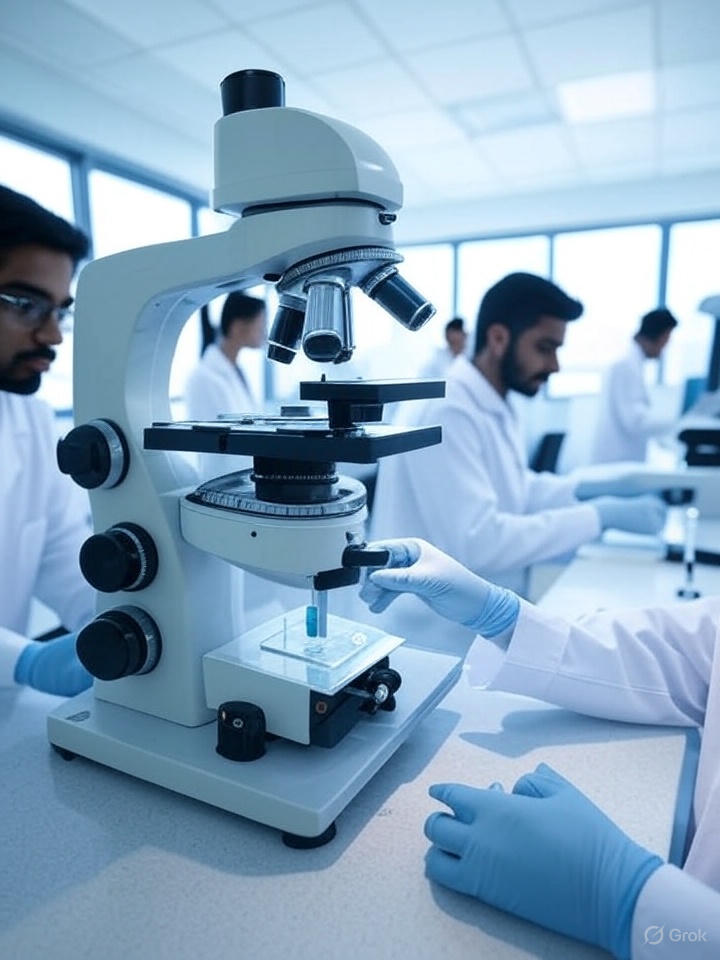
Career Opportunities
Upon graduation, MBBS degree holders can pursue medical practice in Pakistan or abroad. Licensing exams such as the USMLE, MCI, HPCSA, and others open up global opportunities. Additionally, internships during the course provide valuable clinical experience that enhances your career prospects.
Cultural and Academic Support; MBBS Students
Studying in a foreign country can be challenging, but Chinese universities offer excellent support for international students. Many universities have dedicated international student offices to assist with academic, cultural, and personal matters. Orientation programs, language support, and extracurricular activities help students adjust and thrive in their new environment.
Living Expenses in China; MBBS Studies
Understanding the cost of living in China is essential for planning your MBBS journey. On average, students spend approximately $250–$500 per month, covering accommodation, food, transportation, and personal expenses. Most universities offer affordable on-campus housing, and off-campus options are also available at reasonable prices.
This affordability makes China an excellent choice for pursuing medical education without compromising on quality.
Living and Campus Life in China
Studying in China offers more than academic excellence. Experience a vibrant campus life with:
- Affordable on-campus and off-campus housing options.
- A rich cultural experience with a diverse international community.
- Modern facilities include libraries, sports centers, and recreational areas.
- Support services to help international students adjust to a new culture.
Estimated Monthly Living Expenses: Approximately $250 – $500, covering accommodation, food, transportation, and other personal expenses.
Visa & Application Process for MBBS in China
Follow these steps to apply for your MBBS program and obtain your Chinese student visa (X1 Visa):
- Eligibility & Document Preparation: Ensure you meet all academic and language requirements. Gather essential documents such as transcripts, a passport, photographs, and medical certificates.
- Online Application: Submit your application via the university’s official website or through an authorized agent. For direct access, visit
Apply Online. - Admission Letter & JW202 Form: Once accepted, you will receive these documents, which are critical for visa processing.
- Visa Application: Visit your nearest Chinese Visa Application Center (in Islamabad, Lahore, or Karachi), submit your documents, and pay the fee.
- Processing & Approval: The visa typically takes 7-10 working days to process. After approval, finalize your travel arrangements and complete on‑arrival registration.
For further guidance on the application process, consult our
Study in China Consultants in Pakistan page.
Living Costs, Food Options, and Part‑Time Jobs
Living in China is generally affordable. Here is an estimated breakdown and some guidelines for MBBS students:
- Monthly Expenses: Approximately $250 to $500, covering accommodation, food, transportation, and personal costs.
- Accommodation: Options include affordable on‑campus hostels or off‑campus apartments. Visit
MBBS in China for Pakistani Students: Housing Tips. - Food Options: Halal meals are available in major cities, with university canteens offering budget-friendly plans.
- Transport: Public transport (metro, buses) is economical, with fares around $0.50–$1 per trip.
- Part‑Time Work: Most student visas restrict off‑campus work; on‑campus or approved internships may be available.
For more information on budgeting and living costs, please visit the
Cost of MBBS in China page.
Detailed Living Costs in China for MBBS Students
Accommodation
- University Hostel: $800-$1,200/year
- Shared Apartment: $150-$300/month
- Private Studio: $300-$500/month
Food Expenses
- University Canteen: $100-$150/month
- Cooking at home: $150-$200/month
- Eating out: $200-$400/month
Transportation
- Public Transport: $20-$40/month
- Bicycle: $50-$100 one-time
- Taxi (occasional): $30-$50/month
Monthly Budget Estimates
| Lifestyle | Budget Range | Includes |
|---|---|---|
| Budget | $250-$350 | Hostel, canteen meals, minimal extras |
| Moderate | $400-$600 | Shared apartment, some eating out, and local travel |
| Comfortable | $700-$1,000 | Private studio, frequent dining, and entertainment |
Money-Saving Tips:
- Use student discounts (available for transport, museums, etc.)
- Cook with local ingredients from markets
- Share accommodation with fellow students
- Use university facilities (library, gym, etc.) instead of paid alternatives
Low-Cost, Affordable Clinical Medicine (MBBS), Bilingual Universities in China
| Lowest 1st Year Fee Package – Call Back: 03004700092 | |||||||
| University Logo | University Name & Fee Structure | Action | |||||
|---|---|---|---|---|---|---|---|
 | Hainan Medical University Tuition + Hostel: 22,500 RMB ≈ $3,100 USD | ≈ 8.5 Lakh PKR ≈ 11,400 AED | ≈ 130,000,000 IRR | Apply | |||||
 | Jining Medical University Tuition + Hostel: 24,000 RMB ≈ $3,300 USD | ≈ 9.2 Lakh PKR ≈ 12,100 AED | ≈ 140,000,000 IRR | Apply | |||||
 | Hubei Polytechnic University Tuition + Hostel: 18,000 RMB ≈ $2,500 USD | ≈ 7 Lakh PKR ≈ 9,200 AED | ≈ 105,000,000 IRR | Apply | |||||
 | Xinxiang Medical University Tuition + Hostel: 26,000 RMB ≈ $3,600 USD | ≈ 9.8 Lakh PKR ≈ 11,800 AED | ≈ 150,000,000 IRR | Apply | |||||
 | Chifeng University Tuition + Hostel: 20,500 RMB ≈ $2,800 USD | ≈ 8 Lakh PKR ≈ 11,200 AED | ≈ 120,000,000 IRR | Apply | |||||
 | Gannan Medical University Tuition + Hostel: 27,000 RMB ≈ $3,700 USD | ≈ 10.5 Lakh PKR ≈ 13,300 AED | ≈ 160,000,000 IRR | Apply | |||||
 | Jiamusi University Tuition + Hostel: 22,000 RMB ≈ $3,000 USD | ≈ 8.6 Lakh PKR ≈ 11,300 AED | ≈ 130,000,000 IRR | Apply | |||||
 | Hebei University of Engineering (Medical College) Tuition + Hostel: 21,000 RMB ≈ $2,900 USD | ≈ 8.2 Lakh PKR ≈ 10,800 AED | ≈ 125,000,000 IRR | Apply | |||||
Bilingual MBBS Fee Structure for Affordable Universities
| University | Location | Local Rank | Apply | Tuition + Hostel Fee (RMB) | USD | PKR | AED |
|---|---|---|---|---|---|---|---|
| Lowest 1st Year Fee Package – Call Back: 03004700092 | |||||||
| Hainan Medical University | Hainan | #88 | Apply | 22,500 | ≈ 3,100 | ≈ 8.5 Lakh | ≈ 11,400 |
| Jining Medical University | Shandong | #92 | Apply | 24,000 | ≈ 3,300 | ≈ 9.2 Lakh | ≈ 12,100 |
| Hubei University of Arts and Science | Hubei | #94 | Apply | 20,000 | ≈ 2,750 | ≈ 7.8 Lakh | ≈ 10,100 |
| Hebei North University | Hebei | #96 | Apply | 21,500 | ≈ 2,950 | ≈ 8.3 Lakh | ≈ 10,800 |
| Hubei Polytechnic University | Hubei | #95 | Apply | 18,000 | ≈ 2,500 | ≈ 7 Lakh | ≈ 92,000 |
| Xinxiang Medical University | Henan | #102 | Apply | 26,000 | ≈ 3,600 | ≈ 9.8 Lakh | ≈ 11,800 |
| Chifeng University | Inner Mongolia | #110 | Apply | 20,500 | ≈ 2,800 | ≈ 8 Lakh | ≈ 11,200 |
| Gannan Medical University | Jiangxi | #115 | Apply | 27,000 | ≈ 3,700 | ≈ 10.5 Lakh | ≈ 13,300 |
| Jiamusi University | Heilongjiang | #120 | Apply | 22,000 | ≈ 3,000 | ≈ 8.6 Lakh | ≈ 11,300 |
| Hebei University of Engineering (Medical College) | Hebei | #130 | Apply | 21,000 | ≈ 2,900 | ≈ 8.2 Lakh | ≈ 10,800 |
MBBS in China English Medium Universities
| Guangzhou Medical University | Guangxi Medical University | Kunming Medical University | Sichuan University | Gannan Medical University | Hebei University of Engineering | Beihua University |
|---|---|---|---|---|---|---|
 |  |  |  |  |  |  |

Post‑Graduation & Career Opportunities
Earning an MBBS degree from a Chinese university opens up multiple career avenues both in Pakistan and globally:
- Medical Licensing: Graduates can take the PMC NLE in Pakistan or international exams such as USMLE, PLAB, and AMC. For PMC details, visit
PMC & NEB Information. - Postgraduate Studies: Opportunities for MD/MS programs in China or further specialization abroad are available.
- Clinical Practice: Work in government or private hospitals, both domestically and internationally.
- Research & Innovation: Engage in clinical research and academic roles in leading institutions.
For more on international recognition, please see
MBBS Degree Validity.
MBBS in China: Language Medium and Accreditation Guidelines
English medium MBBS is allowed in MOE-approved institutions. Bilingual (Chinese medium) universities may offer first-year admission in the Chinese language, focusing on HSK 4 language preparation. Students should confirm the medium of instruction and accreditation status of the program before applying.
Scholarship Opportunities
Many government and public sector universities in China offer scholarships to international students based on academic performance. These scholarships can significantly reduce the cost of studying MBBS in China, making it an attractive option for students from various backgrounds.
MBBS in China: Internship and Clinical Training
MBBS programs in China typically include a one-year internship, providing students with hands-on clinical training in affiliated hospitals. These internships are crucial for gaining practical experience and preparing for medical licensing exams worldwide.
Post-Graduation Licensing Procedures
After completing MBBS in China, graduates must follow specific licensing procedures to practice medicine in Pakistan. Graduates must pass the PMDC’s (Pakistan Medical and Dental Council) NEB exam or the NLE (National Licensing Examination). Additionally, students are advised to verify that their chosen university is MOE-listed to ensure a smooth registration process.
MBBS Abroad: China vs Other Popular Destinations
| Factor | China | Russia | Ukraine | Philippines | Pakistan |
|---|---|---|---|---|---|
| Duration | 6 years | 6 years | 6 years | 5.5-6 years | 5 years |
| Annual Tuition (USD) | $3,200-$6,100 | $4,000-$8,000 | $3,500-$6,000 | $3,000-$5,000 | $1,000-$3,000 |
| Language | English available | English available | English available | English | Local language |
| WHO Recognition | Yes (MOE listed) | Yes | Yes | Yes | Yes |
| PMDC Recognition | Selected universities | Selected universities | Selected universities | Limited | All |
| Clinical Exposure | Excellent | Good | Good | Very good | Varies |
| Best For | Affordable quality | Cold climate preference | European experience | USMLE preparation | Lowest cost |
Why China Stands Out:
- Optimal balance of cost and quality of education
- Modern infrastructure surpasses that of many Western universities
- Stable political environment ensuring student safety
- Growing global influence in medical research
- Cultural experience in one of the world’s oldest civilizations
●
MBBS Abroad: Competitive Analysis
NICE Consultants (Pvt) Ltd. – Since 1991
●
Comparative Analysis of MBBS Programs Abroad
| Country | Tuition (Annual) | Duration | Teaching Language | Accreditation | Living Cost (Monthly) | Food Cost (Monthly) | Additional Info |
|---|---|---|---|---|---|---|---|
| China | $2,000–$4,000 (PKR 350,000–700,000)* | 6 years (incl. 1-year internship) | English (selected) | PMDC, WHO, MOE | $500–$1,000 | $150–$300 | Cost-efficient; modern infrastructure |
| Russia | $3,000–$5,000 (PKR 525,000–875,000)* | 6 years | English/Russian | PMDC | $300–$500 | $100–$200 | Rich cultural exposure; language challenge |
| Kyrgyzstan | $3,500–$6,000 (PKR 612,500–1,050,000)* | 5–6 years | English (selected) | PMDC | $200–$400 | $80–$150 | Affordable, streamlined admission process |
| Europe | $7,000–$15,000 (PKR 1,225,000–2,625,000)* | 6 years | English (selected) | Varies | $600–$1,200 | $200–$400 | High quality; higher overall cost |
| Other Countries | Varies | 5–6 years | English/Local | Varies | Varies | Varies | Depends on the country |
*1 USD ≈ 175 PKR (approx.)
MBBS China Admissions, Apply Online
Leading medical universities in China are now accepting international applications for MBBS programs. Students awaiting their final results can also apply. Don’t miss your chance—apply online now to reserve your seat.
Need quick guidance? Chat on WhatsApp for instant support and answers to your MBBS in China admission questions, anytime.
Tip:
Apply as early as possible to secure your spot for MBBS in China and avoid processing delays, as seats fill up quickly each year.
Note:
For bilingual or Chinese-medium MBBS programs, students must pass HSK 4 (Chinese language proficiency) within the first year. These options are more affordable but require additional language preparation.
Reminder:
Most universities require a minimum of 60% marks in secondary school and at least 50% in national medical entrance exams (such as MDCAT, NEET, etc.). Entrance test results from the last three years are typically accepted.
Popular Choice:
Many students prefer English-medium MBBS programs in China for the ease of language and high educational standards, even if the tuition is slightly higher compared to bilingual options.
Important:
Chinese universities allow you to apply before completing your national entrance exam. You can secure admission and submit your exam result later for the medical council registration. Early application helps avoid missing out on the current academic year.
MBBS in China: Language Medium & Accreditation Guidelines
English Medium vs. Bilingual Programs
English-medium MBBS programs in China are offered only by institutions approved by the Ministry of Education (MOE). Bilingual (Chinese-English) and Chinese-medium universities typically provide lower-cost options, but much of the teaching may be in Chinese.
Check Your Offer Letter
Always verify the official medium of instruction before applying. Some students mistakenly enroll in Chinese-medium programs, thinking they are English-taught. Make sure your MBBS program is officially recognized as English-medium to avoid language barriers later.
Global Recognition
MBBS in China (English-medium) is popular among students from the USA, UK, Canada, the Middle East, Africa, and beyond. These programs are accredited by the World Health Organization (WHO) and accepted by leading international medical councils.
The MBBS program is usually six years (including a one-year internship). Graduates are eligible to sit for medical licensing exams worldwide: US (USMLE), India (MCI), Pakistan (PMDC), South Africa (HPCSA), Saudi Arabia (SCHS), and more.
MBBS Scholarships in China
MBBS Scholarships for International Students in China
are available at many public universities and are awarded based on academic performance. High-achieving students can receive tuition waivers or partial scholarships during their studies.
Final Note:
Considering the rapid growth in the number of international students choosing to study MBBS in China, early application is strongly advised. Ensure you meet all the eligibility criteria and prepare your application documents thoroughly. For more guidance, feel free to contact NICE Consultants (Pvt) Ltd. for assistance.
MBBS in China: Step-by-Step Guide, Requirements & Admission 2026 – 2027
Study MBBS in China FAQ
MBBS China Admissions, Apply Online
Fortunately, Medical Universities in China are accepting international students for MBBS. Potential students can apply even if 2nd-year results are awaited, hurry up and reserve your seat by applying online .
You may get WhatsApp instant guidance, assistance, and help at any time for MBBS admission in China.
MBBS in China For Pakistani Students 2026- 2027
MBBS in China for Pakistani Students is economical due to  the enormous range of universities to study as the PMDC in Pakistan approves them, while Indian students are only directed to a few universities recognized by the MCI list.
There are two intakes in a year, Spring/ March and Fall/Sep, while the acceptance criteria are a minimum of 60% for most universities, but a few require 70% in Intermediate/F.Sc/12 Grade /HSC/ A- A-Levels.
All potential students seeking admission to MBBS in China must be ready with their passports as soon as possible to initiate the admission process.
The admission process takes two to three weeks, while the visa letter (JW202) takes four to six weeks.
Why Study MBBS in China ( Medicine Studies)?
MBBS in China for Pakistani Students is an attractive option only due to an inc reasing rate of potential international students studying medicine. China is one of the oldest civilizations in the world, having a written history of more than 4,000 years, a rich culture, and a respected educational system.
That tradition continues to this day, especially in the field of medicine. To guarantee a high-quality and standardized educational experience for international students, the Chinese Ministry of Education (MOE) first published the ‘Interim Provisions for Quality Control Standards in Undergraduate Medical Education in English for international students in 2007.
It is now reviewed and published annually. It lists the 45 medical schools that have been authorized by the Chinese government to accept international MBBS students. MBBS in China for Pakistani Students in 2026 and 2027 is a growing trend due to the global medical prospective students’ increasing interest.
Also, you can have A list of Medical schools in China
 MBBS in China for Pakistani Students 2026, 2027: Top growing reasons… MBBS in China for Pakistani Students …

Studying MBBS (Bachelor of Medicine, Bachelor of Surgery) in China has become increasingly popular among international students. Several factors contribute to this growth in interest, including:
1. Affordability: Tuition fees and living costs in China are often more affordable compared to Western countries, making it an attractive option for students and their families.
2. High-Quality Education: China has made significant investments in its medical education infrastructure, with many medical universities and colleges recognized globally for their high-quality education and research.
3. International Recognition: Several Chinese medical universities are recognized by prominent international medical organizations, such as the World Health Organization (WHO) and the Medical Council of India (MCI). This recognition can enhance the career prospects of graduates.
4. English-Taught Programs: Many Chinese medical universities offer MBBS programs in English, making it accessible to international students who may not speak Chinese.
5. Advanced Facilities: Chinese medical universities often have state-of-the-art facilities and equipment, providing students with hands-on clinical experience.
6. Cultural Experience: Studying in China allows students to immerse themselves in a rich cultural experience, learn Mandarin, and gain a deeper understanding of traditional Chinese medicine.
7. Global Opportunities: With a degree from a reputable Chinese medical university, graduates can pursue medical careers not only in China but also in other countries, as many institutions have international partnerships and affiliations.
8. Diverse Student Body: Chinese medical universities attract students from around the world, fostering a multicultural environment that promotes cross-cultural understanding and networking.
9. Scholarships: Some Chinese universities offer scholarships and financial incentives to international students, further reducing the cost of education.
10. Career Opportunities: As China continues to grow economically and medically, there is a growing demand for medical professionals, creating potential career opportunities for international graduates.
11. Internship Opportunities: China’s vast healthcare system provides ample opportunities for internships and clinical training, offering valuable practical experience to medical students.
12. Research Opportunities: Many Chinese universities are involved in cutting-edge medical research, allowing students to participate in research projects and gain research experience during their studies.
13. Safety: China is generally considered a safe country for international students, with a low crime rate and a strong focus on campus security.
Prospective students should prioritize thorough research when selecting a university that aligns with their requirements and goals. Moreover, they ought to take into account aspects like language prerequisites, admission procedures, and visa regulations when contemplating their pursuit of an MBBS degree in China.
MBBS in Chines Universities
- 1st Year Fee1st Year Fee
- Duration of studyDuration of study
- Hostel Fee (Included)Hostel Fee (Included)
- Food Expense (Annually)Food Expense (Annually)
- LocationLocation
- Admissions (Open)Admissions (Open)
- Entry Test (Required)Entry Test (Required)
- English MediumEnglish Medium
- (MOE) Ministry of Education China Approved(MOE) Ministry of Education China Approved
- (PMCD) Approved for Exam(PMCD) Approved for Exam
- Liaison & Management Fee (Included)Liaison & Management Fee (Included)
- Registration Fee (Incuded)Registration Fee (Incuded)
- Medical Insurance/Check up (Included)Medical Insurance/Check up (Included)
Sichuan
University (West)
$6000
per year
- 1st Year Fee$7800
- Duration of study5 Years
- Hostel Fee (Included)

- Food Expense (Annually)10 accounts under one domain$700
- LocationYichun
- Admissions (Open)
- Entry Test (Required)
- English Medium
- (MOE) Ministry of Education China Approved
- (PMCD) Approved for Exam
- Liaison & Management Fee (Included)
- Registration Fee (Incuded)
- Medical Insurance/Check up (Included)


Guangzhou
Medical University
$3800
per year
- 1st Year Fee$5200
- Duration of study5 Years
- Hostel Fee (Included)
- Food Expense (Annually)$700
- LocationGanzhou
- Admissions (Open)
- Entry Test (Required)Hight priority support!
- English Medium
- (MOE) Ministry of Education China Approved
- (PMCD) Approved for Exam
- Liaison & Management Fee (Included)
- Registration Fee (Incuded)
- Medical Insurance/Check up (Included)
Kunming
Medical University
$5300
per year
- 1st Year Fee$7200
- Duration of study 5 Years
- Hostel Fee (Included)
- Food Expense (Annually)$700
- LocationWuhan
- Admissions (Open)
- Entry Test (Required)test
- English Medium
- (MOE) Ministry of Education China Approved
- (PMCD) Approved for Exam
- Liaison & Management Fee (Included)
- Registration Fee (Incuded)
- Medical Insurance/Check up (Included)
 5 Years
MBBS in China for Pakistani Students 2026, 2027 is growing rapidly because 45 approved medical institutions are  public universities under the Chinese Government. Entirely listed in the World Health Organization (WHO)’s “Directory of World Medical Schools”.
This listing shows that graduates are eligible to attend national medical screening tests like MCI, PMDC, USMLE, PLAB, HPCSA, SCHS, etc. This is an attractive passion for Pakistani students to acquire an MBBS Degree from China.
- University with Code No.
MBBS in Chines Universities
- 1st Year Fee1st Year Fee
- Duration of studyDuration of study
- Hostel Fee (Included)Hostel Fee (Included)
- Food Expense (Annually)Food Expense (Annually)
- LocationLocation
- Admissions (Open)Admissions (Open)
- Entry Test (Required)Entry Test (Required)
- English MediumEnglish Medium
- (MOE) Ministry of Education China Approved(MOE) Ministry of Education China Approved
- (PMCD) Approved for Exam(PMCD) Approved for Exam
- Liaison & Management Fee (Included)Liaison & Management Fee (Included)
- Registration Fee (Incuded)Registration Fee (Incuded)
- Medical Insurance/Check up (Included)Medical Insurance/Check up (Included)
NICE-1301
Medical University
$2238
per year
- 1st Year Fee$4200
- Duration of study5 Years
- Hostel Fee (Included)
- Food Expense (Annually)10 accounts under one domain$700
- Location-
- Admissions (Open)
- Entry Test (Required)
- English Medium
- (MOE) Ministry of Education China Approved
- (PMCD) Approved for Exam
- Liaison & Management Fee (Included)
- Registration Fee (Incuded)
- Medical Insurance/Check up (Included)$160
NICE-1302
Medical University
$2450
per year
- 1st Year Fee$4100
- Duration of study 5 Years
- Hostel Fee (Included)
- Food Expense (Annually)$700
- Location-
- Admissions (Open)
- Entry Test (Required)test
- English Medium
- (MOE) Ministry of Education China Approved
- (PMCD) Approved for Exam
- Liaison & Management Fee (Included)
- Registration Fee (Incuded)
- Medical Insurance/Check up (Included)$160
NICE-1303
Medical University
$2950
per year
- 1st Year Fee$4800
- Duration of study5 Years
- Hostel Fee (Included)
- Food Expense (Annually)$700
- Location-
- Admissions (Open)
- Entry Test (Required)Hight priority support!
- English Medium
- (MOE) Ministry of Education China Approved
- (PMCD) Approved for Exam
- Liaison & Management Fee (Included)
- Registration Fee (Incuded)
- Medical Insurance/Check up (Included)$160
MBBS in Chines Universities
- 1st Year Fee1st Year Fee
- Duration of studyDuration of study
- Hostel Fee (Included)Hostel Fee (Included)
- Food Expense (Annually)Food Expense (Annually)
- LocationLocation
- Admissions (Open)Admissions (Open)
- Entry Test (Required)Entry Test (Required)
- English MediumEnglish Medium
- (MOE) Ministry of Education China Approved(MOE) Ministry of Education China Approved
- (PMCD) Approved for Exam(PMCD) Approved for Exam
- Liaison & Management Fee (Included)Liaison & Management Fee (Included)
- Registration Fee (Incuded)Registration Fee (Incuded)
- Medical Insurance/Check up (Included)Medical Insurance/Check up (Included)
NICE - 1304
Medical University
$3400
per year
- 1st Year Fee$4200
- Duration of study5 Years
- Hostel Fee (Included)
- Food Expense (Annually)10 accounts under one domain$700
- LocationXinXiang
- Admissions (Open)
- Entry Test (Required)
- English Medium
- (MOE) Ministry of Education China Approved
- (PMCD) Approved for Exam
- Liaison & Management Fee (Included)
- Registration Fee (Incuded)
- Medical Insurance/Check up (Included)
NICE - 1305
University
$3100
per year
- 1st Year Fee$4000
- Duration of study 5 Years
- Hostel Fee (Included)
- Food Expense (Annually)$700
- LocationGuilin
- Admissions (Open)
- Entry Test (Required)test
- English Medium
- (MOE) Ministry of Education China Approved
- (PMCD) Approved for Exam
- Liaison & Management Fee (Included)
- Registration Fee (Incuded)
- Medical Insurance/Check up (Included)
NICE - 1306
Chinese Medicine
$2900
per year
- 1st Year Fee$4200
- Duration of study5 Years
- Hostel Fee (Included)
- Food Expense (Annually)$700
- LocationChangsha
- Admissions (Open)
- Entry Test (Required)Hight priority support!
- English Medium
- (MOE) Ministry of Education China Approved
- (PMCD) Approved for Exam
- Liaison & Management Fee (Included)
- Registration Fee (Incuded)
- Medical Insurance/Check up (Included)
MBBS in China for Pakistani Students 2026, 2027 : is attractive due to becoming a Graduate with a globally recognized medical Degree…..
MBBS in China for Pakistani Students is growing rapidly because, after passing the graduation examinations successfully, international medical undergraduates will be granted a graduation certificate and conferred a medical degree by the university.
While the English copy of the degree will state MBBS (Bachelor of Medicine and Bachelor of Surgery). So, Pakistani Students can take this graduate diploma and the required documents to the embassy of their home country for accreditation/ recognition if needed. This can be an attractive fact for MBBS in China for Pakistani Students in 2026, 2027
MBBS in China for Pakistani Students 2026, 2027: is attractive because most Chinese universities gain a Top 500 rank with Western higher education in medicine…
 MBBS in China for Pakistani Students in 2026 and 2027 is growing rapidly because many of China’s medical universities are ranked among the top 500 universities in the world and are highly reputed for being at the forefront of the field of modern medicine.
Moreover, English-medium MBBS programs have been taught for years, and there are now lots of graduates pursuing further education in China or becoming doctors in their own country. Also, an attraction for MBBS in China for Pakistani Students in 2026 and 2027.
MBBS in China for Pakistani Students: is attractive due to the Plenty of quality hospitals for internships…
MBBS in China for Pakistani Students is growing rapidly because the entire approved Chinese universities for English medium MBBS must meet the minimum standards set by the Ministry of Education. The affiliated hospital where students undertake internships must be in the tier of Grade III, Level A, which has the most advanced international-standard medical instruments and also lots of patient beds.
As we all know, China has the largest population in the world. So, the Chinese medical market is under development and growing rapidly to become one of the world’s largest medical markets soon. Now, the MBBS in China for Pakistani Students is rising in 2025 and 2026.
MBBS in China for Pakistani Students: 2026-2027 Benefits
Pursuing MBBS in China is increasingly popular among Pakistani students due to its affordable, high-quality medical education and global recognition. Below are the top reasons why MBBS in China for Pakistani students in 2026-2027 is an excellent choice:
- Vibrant Campus Life: Enjoy a dynamic and engaging student experience with cultural events and modern facilities at top universities offering MBBS in China.
- Safe Environment: Study in a secure society with excellent public safety, ideal for Pakistani students pursuing MBBS in China 2026-2027.
- Easy Admissions: Gain entry to prestigious medical universities with straightforward admission processes for MBBS in China. Apply now.
- Rich Culture: Immerse yourself in China’s ancient history and vibrant culture while pursuing your MBBS studies in China for Pakistani students.
- International Exposure: Benefit from a diverse, global study environment that enhances your medical education during MBBS in China 2026-2027.
- WHO-Recognized Degree: Earn a globally accredited MBBS degree recognized by the World Health Organization (WHO), ensuring career flexibility.
- PMDC Recognition: The MBBS degree in China is recognized by the Pakistan Medical and Dental Council (PMDC), enabling graduates to practice in Pakistan.
- English-Medium Programs: Study MBBS in China in English, making it accessible for Pakistani students without language barriers.
- Global Career Opportunities: With a Chinese MBBS degree, practice medicine worldwide, including in the USA, UK, or Pakistan, after passing relevant licensing exams.
- Open Admissions for 2026-2027: Admissions for MBBS in China are now open. Contact NICE Consultants to secure your spot.

Why Choose NICE Consultants for MBBS in China?
NICE Consultants (Pvt) Ltd. is your trusted partner for securing admission to MBBS in China for Pakistani students in 2026-2027. With expert guidance and personalized support, we simplify the appl ication process and help you join top medical universities. Contact us on WhatsApp today to start your journey!
Contact NICE Consultants (Pvt) Ltd. today at ☎ 0300-4700092 or 0355-6499998, or message us on WhatsApp. With NICE’s expert guidance, pursuing MBBS in China for Pakistani students in 2026-2027 is seamless and stress-free.
Key Citations
- World Health Organization Official Website – Official WHO site for medical education accreditation.
- China Ministry of Education Official Website – Information on MOE-listed universities for MBBS in China.
- Cost of MBBS in China – Detailed MBBS fee structure for Pakistani students.
- Scholarships for MBBS in China: Scholarship Opportunities for MBBS Students.

- Apply Online for MBBS in China – Streamlined MBBS application process.
- PMC Pakistan Medical Commission – Recognition details for MBBS in China.
- Zhejiang University MBBS Program – Top-ranked MBBS program in China.
- Guangzhou Medical University MBBS Program – An Affordable MBBS Option for Pakistani Students.
- MOE-Listed Universities for MBBS in China – List of MOE-approved medical universities.
- Top 25 Medical Universities in China – Rankings of leading MBBS institutions.
- US News Best Global Universities for Clinical Medicine in China – Global rankings for Chinese medical schools.
- NICE Consultants Contact Page – Admission support for MBBS in China.
* Updated by Mar 08, 2026